Slipper Color Matching: Pantone, Lab Dips and Lot Variance
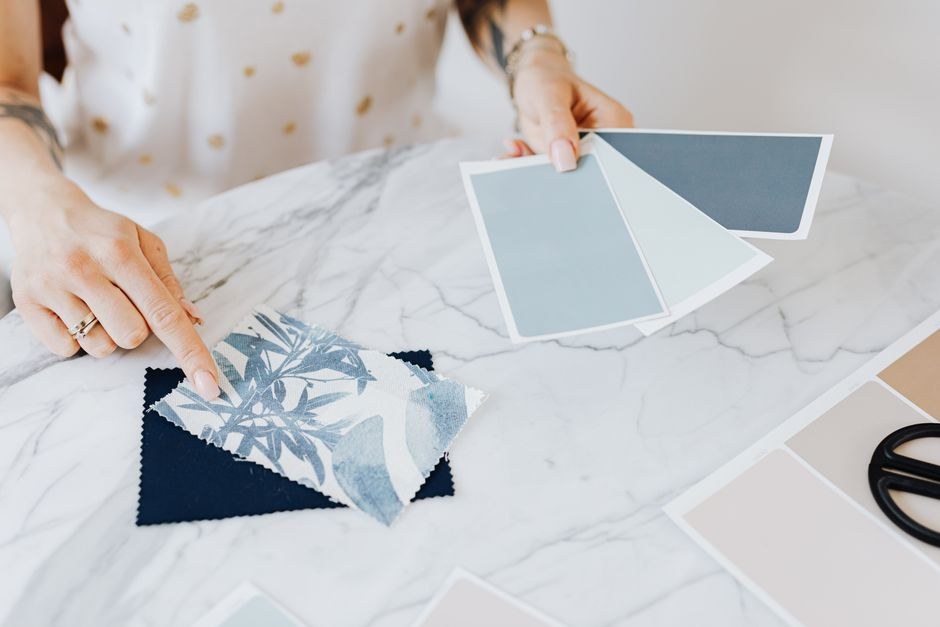
A buyer's guide to slipper color matching: how to specify Pantone references, run lab dip approval, and control batch-to-batch shade variance in production.
Color approval is where most slipper orders quietly go wrong: the shade drifts between lab dip, bulk fabric and the finished pair. A documented workflow keeps shade decisions repeatable from brief to bulk.
Why slipper color matching fails before production starts
Most shade disputes are not factory failures. They start with a brief that says "grey" or "sand" and expects the supplier to guess. Fabric, foam, thread, binding and outsole all take color differently, and a reference that looks right on a cotton upper can read wrong on a fleece lining. Buyers who treat color as a specification rather than a description get fewer surprises.
Three reference types matter. A physical standard is the master swatch the factory keeps. A numeric reference is the code you write into the purchase order. A tolerance is the acceptable range around that code. Without all three, Slipper Color Matching: Pantone, Lab Dips and Lot Variance becomes a negotiation at inspection instead of a decision at sampling.
Specifying slipper fabric Pantone references that survive production
The common mistake is quoting a Pantone number from a screen. Screens are not color-accurate, and Pantone's fashion, home and interiors system is not the same as the graphics system used for print. Specify which library you mean, and send a physical chip or swatch alongside the code.
- Name the library and edition, not just the number.
- State the substrate: cotton canvas, coral fleece, sherpa, memory foam cover, EVA outsole.
- Give a separate reference for thread, binding and trim where they should match or contrast.
- Say whether the target is a match to a physical swatch or a direction only.
For slipper fabric Pantone work, always send the swatch in a sealed bag and keep a duplicate. If the factory's master and your master disagree later, the sealed duplicate settles it. This is also the point to decide whether you accept a visual match under a specified light source or require instrumental readings.
Running lab dip approval without endless rounds
A lab dip is a small dye lot submitted for approval before bulk fabric is committed. The process is simple but easy to mismanage. Approve or reject in writing, with a reason, and keep the approved dip as the production standard. Verbal approvals and "looks close enough" emails are how shade arguments begin.
- Send the color brief with physical references and substrate details.
- Ask for dips on the actual fabric, not a substitute.
- Review under the lighting your customer will use, ideally daylight and store lighting.
- Record the decision, the date and the retained standard.
- Limit rounds in the purchase order so revisions do not run indefinitely.
Slipper Color Matching: Pantone, Lab Dips and Lot Variance only works if lab dip approval is a gate, not a formality. A dip approved on a polyester swatch tells you little about how the same recipe behaves on cotton terry. Ask for dips on each substrate in the order, and expect slightly different results across them.
Managing lot variance across bulk and reorders
No dye house produces identical shade every run. The question is how much movement you accept and how you handle it. Put a tolerance in the order: a defined color difference limit, a visual standard under agreed lighting, or both. Then decide what happens to fabric outside that range.
Practical controls that cost little:
- Keep approved bulk swatches from each production run, labelled by date and lot.
- Ask for shade bands from the dye house before cutting, not after.
- Cut uppers and linings from the same fabric lot where they must match.
- For reorders, reference the last approved bulk swatch, not the original lab dip.
- Separate shades clearly in packing so a retailer does not receive mixed lots in one carton.
Mixed-lot cartons are the complaint you will hear about from a retail buyer, not from your own inspection. If you supply a mid-size supermarket chain with private-label slippers, a visible shade break between two pairs on the same shelf reads as a quality problem even when both pairs are within tolerance.
What to put in the color section of your purchase order
Make the color clause short enough that a factory line supervisor can follow it. It should state the reference library and code, the substrate, the approved standard's identity, the tolerance, the lighting condition for visual checks, and who signs off on a deviation. Attach the approved lab dip reference and the retained bulk swatch.
Two habits pay for themselves. First, photograph every approved standard next to a neutral grey card and file it with the order. Second, review color at pre-production, not only at final inspection, because fabric already cut cannot be re-dyed. Buyers who do both find that Slipper Color Matching: Pantone, Lab Dips and Lot Variance stops being a recurring argument and becomes a routine checkpoint.
Closing advice for buyers
Treat color as a specification with a named standard, a named substrate and a written tolerance. Send physical references, approve lab dips in writing, and keep sealed masters on both sides. Expect some lot variance and plan for it in cutting and packing rather than hoping it away. If you are briefing a new supplier, ask how they retain approved standards and what they do when bulk falls outside tolerance; the answer tells you more about their process than any color chart. For related groundwork, see our guide to custom house slippers sampling and our notes on slipper quality control.