Cotton House Slippers: A Buyer's Guide to Sourcing and Care
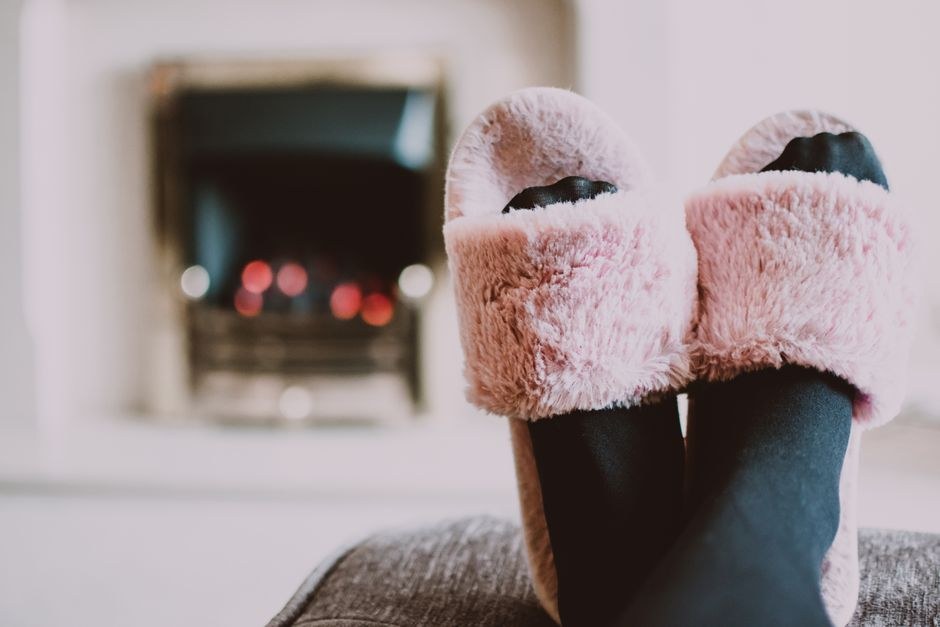
A sourcing guide for cotton house slippers: where quality really comes from, what drives cost, common mistakes, and how to care for stock that must stay soft.
Cotton house slippers are the least glamorous category in the slipper business, and buyers treat them like a commodity at their peril. The brief sounds simple—woven uppers, soft lining, a sole that copes with hotel carpet or a supermarket floor—but two factories can quote nearly the same price for products that behave very differently after a month of wear and washing. The gap is rarely design. It is yarn, lining, construction and how tightly the specification is written.
That matters because cotton slippers carry a promise: breathable, natural-feeling, easy to wash. When that promise fails, the end customer does not blame the fibre. They blame the brand on the label.
What You Are Actually Buying
"Cotton slippers" can describe at least four different products. A cotton-blend upper with a polyester fleece lining. A brushed cotton flannel outer with a terry lining. A fully woven cotton upper with a soft cotton-terry footbed. Or a knit sock-style slipper with a rubber-dot or TPR outsole.
Each responds differently to washing, so the fibre content on the care label is not a formality—it predicts how the product will be treated in a hotel laundry or a customer's machine. A high-cotton-content slipper feels better on the shelf but can shrink or warp if the buyer has not accounted for wash treatment in the spec.
Three components decide perceived quality more than any other.
- Upper fabric face weight. Lightweight sheeting reads as thin once filled; heavier brushed cotton holds shape and looks more premium on display.
- Lining and footbed build. A cotton upper over a polyester fleece lining is wash-durable and quick-drying. A terry lining in a high-gram weight feels plusher but bulks up the slipper in a hotel amenity kit.
- Sole attachment. Stitched-and-turned constructions look cleaner; vulcanised or glued EVA outsoles are cheaper and better for wet bathroom floors.
The Cost Drivers Buyers Get Wrong
Cotton is a raw material with a worldwide price curve, so slipper quotes move with the fibre market in a way synthetic slippers do not. A factory quoting a flat price for twelve months is either guessing or building in fat.
Beyond fibre, four line items create most of the price difference between competing cotton slipper quotes.
- Gram weight and construction. The difference between a 180gsm upper and a 280gsm brushed upper is visible and tactile before anyone opens the carton.
- Lining and padding. Memory foam inserts, EVA cushioning layers or a second cotton-terry layer add comfort at a real cost per pair.
- Sole specification. TPR, EVA and rubber outsoles sit at different price points, and a moulding tool amortises over order volume.
- Finishing. Woven labels, embroidery, individual polybags and retail-ready boxes are frequently underestimated when a buyer budgets from the FOB unit price alone.
By the time the order lands, ten to fifteen percent of the landed cost is often packaging and freight. The cheap quote that ignored it was never cheap.
Where Cotton Slipper Programs Go Wrong
The first failure is ordering cotton slippers against a synthetic product's spec. Allocating a container with cotton-faced slippers, a fleece-lined slipper and a plush slipper under one purchase order is one of the fastest ways to get inconsistent shrinkage and colour after washing—because each substrate reacts differently.
The second failure is a weak care-label brief. Cotton slippers sold into hospitality in Europe or North America may be laundered at higher temperatures than the fibre handles comfortably. Buyers who specify washing instructions at the sample stage—and confirm the fabric supplier has tested them—avoid a return and refund headache later.
The third is colour and dyelot drift between production runs. Cotton dye lots vary, and a reorder six months later will not guarantee an exact match unless the factory guarantees it and you demand dyelot approvals. The fourth is treating certification as optional. For cotton slippers, buyers increasingly want OEKO-TEX or BCI-linked documentation. For supply programmes, chemical restrictions under REACH and CPSIA should be checked before production, not after.
Getting the Sample Right: Four Spec Points to Lock Down
Before sampling, a purchaser should reduce ambiguity to four decisions.
- Fibre content and blend proportions, with tolerance range if the factory proposes a blend.
- Fabric face weight in gsm and finish—brushed, waxed, flannel or plain weave.
- Sole type, tread pattern and density, plus expected use—hotel carpet or shop floor.
- Wash protocol and shrinkage limit, with a specified sequence for factory and third-party testing.
A sample that fails a single wash-cycle test has told you the production order will likely fail. Approve samples after a wash trial, not after a visual check.
Caring for Cotton Slippers—What Buyers Should Pass Downstream
For brands and hotels that reorder every season, consistent care instructions protect the product reputation that drove the purchase.
- Warm machine wash at thirty degrees Celsius, gentle cycle, mild detergent without bleach or optical brighteners.
- Air dry flat, away from direct heat; tumble drying accelerates shrinkage and sole warping.
- If re-wearing, rotate between pairs so linings fully dry—fungal odour is often a laundering issue, not a fibre issue.
- For hotels, formulate a laundry checkpoint and record outcomes so you can trace a specific batch if guest feedback turns negative.
- When a staff-managed programme replaces cotton with a synthetic mix, tell guests the difference; cotton's breathability is a selling point worth naming.
Practical Next Steps for Buyers
Cotton slippers are a good entry point into a private label slipper programme—easy to style, universally understood, lower tooling investment than moulded or plush styles. But the economics only work when the specification is written tightly and the wash behaviour is understood before goods leave the factory.
Practically: ask two or three candidate factories for the same sample brief; return each sample for independent wash and abrasion testing; accept the sample that survives. Avoid driving the marginal cost below the point where a mid-build cotton weight starts to do the work of a heavier one. If a quote is materially lower on identical construction, one of the components changed—ask which. Finally, build certification into your supplier questionnaire before you place volume, because document trails are easier to start than to repair.