Cotton House Slippers: Specifying Upper Patterns and Linings for Your Market
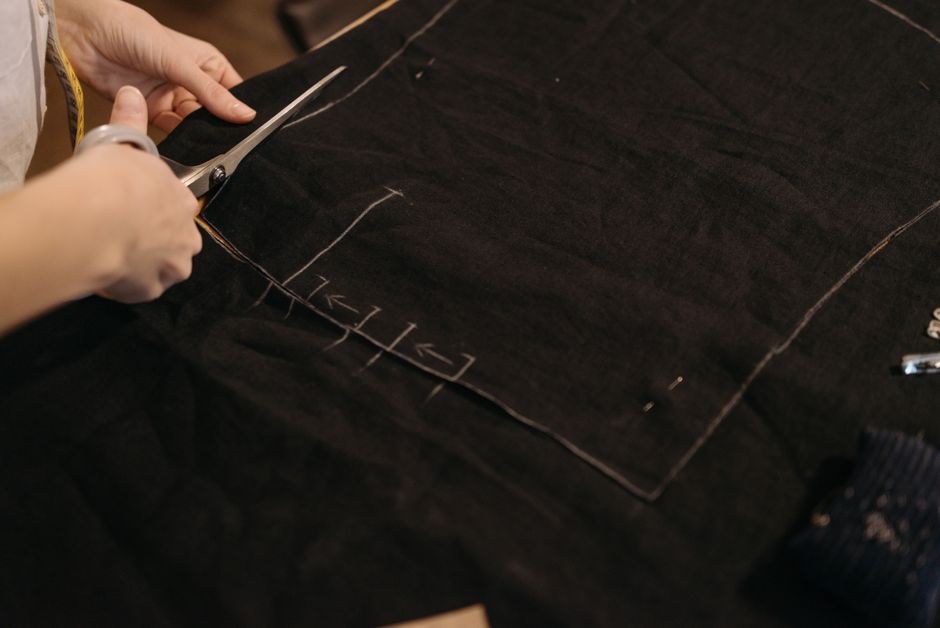
A buyer's guide to specifying upper patterns and slipper upper lining for cotton house slippers, covering fit, cut, market sizing and private label decisions.
Most fit complaints on cotton house slippers trace back to two decisions made long before production: the shape of the upper pattern and the lining behind it. A pair that feels generous in a sample room can turn tight after lining is bonded, and a lining that seems soft at first touch may stretch a half-size after a month of wear. Importers who treat these as afterthoughts usually pay for it in returns and reorders.
The upper is the part your customer sees, touches and judges first. The lining is what decides whether they keep wearing it. Together they define how a slipper fits across your size run and how it survives a season. This article looks at how to specify both for your market, and where those choices interact with branding and private label slippers programmes.
Why Upper Patterns Matter More Than You Think
An upper pattern is not just a cosmetic shape. It determines how much give the slipper has over the instep, how the opening sits around the ankle, and how consistently a size 38 from one production run matches a size 38 from the next. Get the pattern wrong and no amount of foam or sole work compensates.
Three pattern variables drive most of the fit outcome:
- Seam placement. A centre seam over the instep changes how the upper stretches; a side seam affects how the slipper sits on a wider foot.
- Opening circumference. Too loose and the slipper slips; too tight and it marks the ankle on wear.
- Toe box depth. A shallow toe box in a padded upper crowds toes; a deep one looks sloppy on a narrow foot.
Pattern Grading Across Your Size Run
The pattern also has to grade cleanly. A shape that looks right in a single sample size can distort when it is scaled across a full run. Ask your factory to show you the graded pattern set, not only one pair. If the grading is done by eye rather than from a consistent set of rules, sizes at the top and bottom of the run will feel different from the middle.
The Hidden Variable: Slipper Upper Lining and Fit
The slipper upper lining is the most under-specified component in most briefs. Buyers discuss the outer fabric in detail and then accept whatever lining the factory proposes. That is a mistake, because the lining controls two things that matter commercially: stretch and breathability.
A soft, brushed lining feels premium at inspection but can relax after wear, so the slipper ends up loose. A denser, less elastic lining holds its shape but may feel firm on first wear. Neither is wrong; they suit different price points and markets. What matters is that you choose deliberately and say so in the brief.
Ask for the lining sample and the outer fabric sample bonded together, then wear-test that combined panel for a week before sign-off.
Linings also affect how the upper handles moisture. A cotton outer over a non-breathable synthetic lining will feel clammy in warmer climates, which shortens the useful life of the slipper in the customer's mind. For markets that wear slippers year-round, specify the lining as carefully as the shell.
Matching Cut and Fit to Your Market
There is no universal fit. A pattern tuned for a cold-climate market that expects slippers worn over thick socks is not the same as one tuned for a market where slippers are worn barefoot indoors most of the year. Neither is better, but one will fail in the other's market.
Work through these questions before you lock the pattern:
- Will the end customer wear the slipper with socks or barefoot?
- Is the climate mostly heating-season, or year-round warm?
- Does your market expect a close, snug fit or a loose, easy-on shape?
- Are you selling a wide size run, or a narrow core of small and medium?
- Is the slipper primarily for gifting, hospitality use or daily wear?
Take a mid-size supermarket chain as a hypothetical example. Its house-brand slipper is sold on a peg in a mixed-gender aisle, so it needs a forgiving fit that works across many foot shapes without a long size run. That points to a modestly padded upper, a medium opening and a lining with controlled stretch. A specialist comfort retailer would want the opposite: a closer pattern, more premium lining and a wider size run to signal care.
For readers building private label slippers, the pattern and lining are also brand signals. A slim, neatly stitched upper reads as a designed product; a loose, billowy one reads as a utility item. Neither is wrong, but the two attract different retail partners.
Getting It Right: Practical Steps for Buyers
Most upper and lining problems can be caught before bulk production if you control three touchpoints.
- The brief. Specify outer fabric, lining type, seam placement, opening dimension and intended fit character in writing. A pattern cannot be built correctly from a photograph alone.
- The sample stage. Ask for the upper and lining bonded together before final assembly, and wear-test it in your target market's climate. Approve the pattern separately from the colour and branding.
- Pre-production approval. Confirm that the production pattern matches the approved sample and that the lining batch matches the approved lining. These are two different failure points, and both are common.
Where your budget allows, keep the approved upper pattern on file with a reference sample. Reorders are simpler when the factory is working from a signed arch ive rather than from memory.