Custom House Slippers: Choosing Seasonal Fabrics That Sell
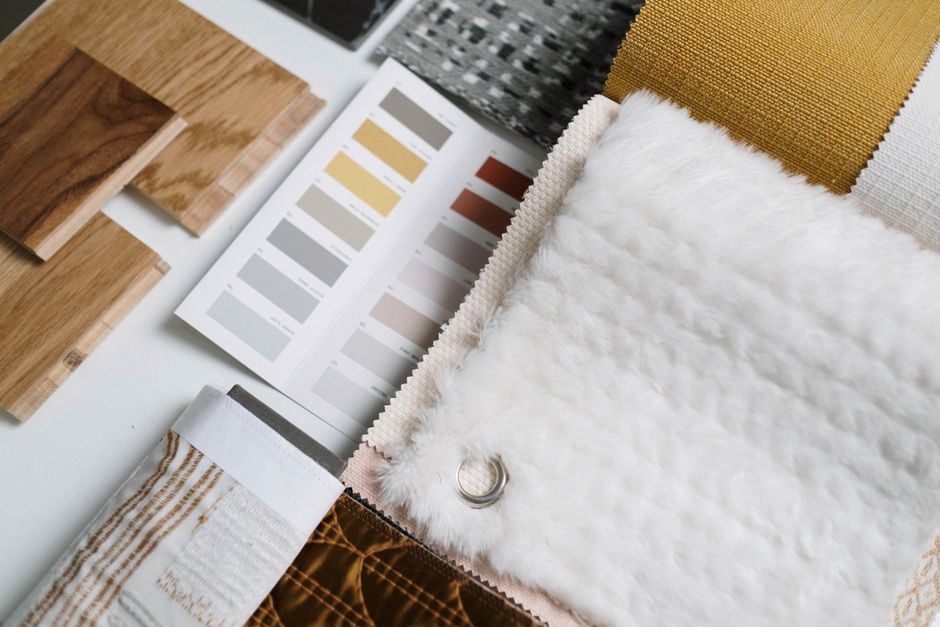
Seasonal fabric choices for custom house slippers affect sell-through, storage and reorder timing. Here is how buyers should decide.
Most slipper ranges fail for a boring reason: the same fabric is ordered for all twelve months. A buyer signs off a plush boot in March, it lands in June, and it sits until October. Meanwhile the light cotton slipper that would have sold through spring was never developed. If you are commissioning custom house slippers, treat fabric as a calendar decision, not just a comfort decision.
This matters commercially. Fabric drives your unit cost, your carton volume, your storage profile and your reorder window. Get it wrong and you carry stock through the wrong half of the year, or you reorder in a panic and accept whatever yarn the mill has left. Below are five fabric directions that cover the year, and what each one means for a buyer.
Fleece and Sherpa: The Cold-Season Volume Drivers
Fleece and sherpa are the default for autumn and winter programmes in Europe and North America. They hold a shape well, tolerate a thick EVA or TPR outsole, and photograph attractively, which matters if your channel is e-commerce.
The trade-off is bulk. A sherpa boot packs far looser than a flat cotton slipper, so your container utilisation drops and your landed cost per pair rises even if the FOB price looks similar. If you are shipping mixed cartons to a distributor, confirm the pack ratio early, because a footwear buyer who expected 24 pairs per carton will not be pleased with 12.
Practical points for a fleece order:
- Ask for the pile weight and backing, not just the trade name. "Sherpa" means different things to different mills.
- Check pilling after abrasion testing, especially on darker colours.
- Decide whether the lining is visible. If yes, colour-match the lining to the upper or the whole design falls apart.
Cotton and Canvas: Spring and Summer Clearance Workhorses
Cotton slippers are the ones that move when the weather turns. They suit open-toe and slide shapes, pack flat, and cost less to ship. For a supermarket or discounter programme running a spring reset, a cotton or canvas slipper is often the easiest line to place.
The risk is that cotton is a commodity fabric. Buyers compare on weight and construction, so specify yarn count, whether the upper is woven or knitted, and how the sole is attached. A stitched sole is a genuine selling point in this category and worth the small cost premium.
For summer, consider terry or waffle textures rather than plain sheeting. They look more deliberate on shelf and give your private label something to talk about in packaging copy.
Memory Foam: An Insole Decision, Not a Seasonal One
Memory foam is often discussed as if it were a fabric. It is not. It is an insole or midsole component, and it can sit inside a cotton, fleece or plush upper. That flexibility is exactly why a memory foam slippers supplier programme can run year-round.
What changes seasonally is the cover fabric over the foam. In winter you might use a brushed knit; in summer, a mesh or breathable jersey. The foam itself stays broadly the same, which simplifies your SKU management and your quality control process.
Two things to watch: foam density and recovery. Cheap low-density foam feels impressive in the showroom and flattens within weeks, which generates returns. Ask for the density figure and, where possible, a compression or recovery test result.
Plush and Velour: Gift and Hotel Channels
Plush and velour sit at the softer, more premium end. They are the natural fit for gift sets, boxed retail and hospitality programmes. A hotel or spa buyer tends to care more about hand feel and laundrability than about outsole durability, because the slipper is used indoors and replaced frequently.
For these buyers, the fabric conversation usually starts with wash performance. A plush slipper that sheds or mats after several washes creates complaints at the front desk. Specify a wash test and agree how many cycles you consider acceptable before the programme is signed.
For retail gift programmes, the same plush slipper can carry a much higher price point when the packaging is right. The fabric sets the ceiling; the box decides how close you get to it.
Building a Twelve-Month Fabric Plan
Rather than treating each order as a fresh decision, map fabrics against your calendar. A workable structure looks like this:
- Jan–Mar: cotton, canvas and terry for spring resets, plus clearance of winter carryover.
- Apr–Jun: summer slides, open-toe shapes, lightweight soles.
- Jul–Sep: start fleece and sherpa production so goods land before the cold season.
- Oct–Dec: plush and gift sets for holiday and hospitality replacement cycles.
Two fabric families running in parallel is manageable for most factories. Four is where scheduling gets tight and tooling costs start to bite. If you are developing a private label slippers range for the first time, pick two fabrics, prove the fit and the packaging, then broaden.
What to Do Before You Place the Next Order
Start with your sales data, not with a fabric catalogue. Identify which months actually carry your slipper sales and which fabrics sat in the warehouse. Then brief the factory on the season, the target retail price and the channel, and let them propose fabric options within that brief.
Request fabric samples with the specific weight and backing noted, not just swatches labelled "fleece" or "plush". Ask what happens to pack size and carton dimensions when the fabric changes, because that affects your landed cost more than most buyers expect. Finally, confirm that your chosen fabric is repeatable for a second and third order, and get the mill reference recorded on the specification sheet.
A slipper range that sells all year is not about finding one perfect fabric. It is about matching the right fabric to the right months, and ordering early enough that the factory is not squeezing you into someone else's schedule.