Ningbo Slipper Factory: Why Local Expertise Matters for Custom Orders
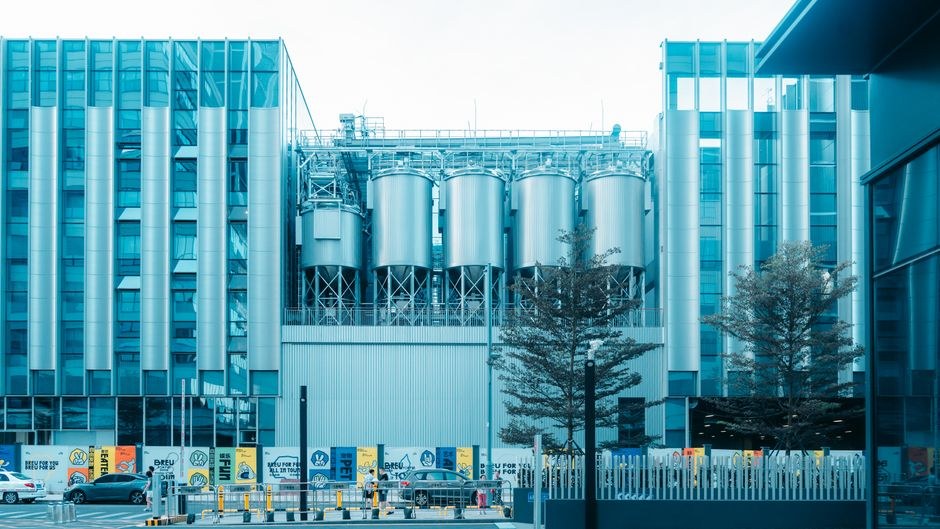
Ningbo's supplier cluster gives custom slippers Ningbo buyers faster sampling, tighter quality control and fewer surprises—here's how to use it.
When you place a custom slipper order, the factory's address matters more than most buyers expect. A Ningbo slipper factory sits inside one of China's densest footwear-supply clusters, and that proximity shows up in sampling speed, material choice and how quickly problems get fixed. The city's port and supplier base turn a complicated custom order into a manageable one.
Ningbo slipper advantages start with the supply chain
Ningbo slipper advantages are mostly about what happens before the production line starts. The city and its surrounding districts host thousands of suppliers for soles, foams, fabrics, threads, elastics and packaging. A factory sourcing locally can pull a new outsole mould, a roll of memory foam or a specific fleece lining from a nearby vendor in days, not weeks.
For custom work, that means fewer excuses. If your brief calls for a suede-touch microfibre upper with a rubber-dotted sole, the factory probably has a sample within arm's reach. If a test report flags an issue with a non-slip sole compound, the factory can walk to the compounder and fix it in person. That kind of access is hard to replicate when the factory is hundreds of kilometres from its material suppliers.
It also changes what is realistic at lower volumes. When trim and components are nearby, a factory can justify small runs because switching materials doesn't mean a week of freight time. For importers testing a new style, that flexibility is often the difference between placing a pilot order and shelving the idea.
How custom slippers Ningbo developers move faster
Speed in custom development is rarely about the machine; it's about how many round trips a sample needs. Custom slippers Ningbo teams handle revisions quickly because they can pull alternatives from local stock, re-cut patterns in-house and test a sole change without waiting on an overseas shipment.
Say you're a mid-size supermarket chain building a private-label line for the winter season. You want a memory foam slipper with a non-slip sole and a branded box. A local factory can bring three foam densities to the first sample meeting, suggest an outsole that already passes the relevant slip test, and show two box options from a packaging supplier nearby. The same brief handled across time zones might take three extra sample rounds to settle.
That proximity also helps with the small things that derail orders—stitching tension, lining shade, carton dimensions. The factory can correct them before the next iteration, not after a container has already been packed.
What local quality control looks like in practice
QC doesn't begin at final inspection. In Ningbo, the factory's quality team can visit the sole moulder in person, check the foam supplier's batches and confirm the packaging printer's proof before mass production. For custom slippers, that reduces the chance that a non-slip supplier quietly swaps a compound or a foam vendor changes density without telling anyone.
When an issue does surface—say an insole that feels firmer than the approved sample—the factory can test alternatives with local suppliers the same week. Compare that with a factory that must order foam from another province: the fix takes longer, and the pressure to ship as-is increases.
For hotel and spa programmes, which often need brand-matched colours and consistent comfort across repeat orders, this supplier control is what keeps reorders identical to the first run. Buyers should ask how the factory checks raw materials and whether it audits key suppliers. A real Ningbo operation will have a clear answer.
Using the cluster to your advantage on a custom order
The cluster is only useful if you tap into it. Here's what to ask and specify when you brief a Ningbo factory:
- Supplier names and locations (within reason)—know whether soles, foam and uppers come from the same district.
- Alternative materials during sampling—ask for two or three foam or lining options rather than one.
- Fixture and packaging: if your retail-ready carton needs a specific board grade, confirm a local packaging supplier can hit it without adding lead time.
- Non-slip test standards for your market—ask whether the outsole supplier can provide test reports from local labs.
- A short production trial before the full run, when the design is new to you or to the factory.
None of this guarantees a smooth order, but it gives the factory the information it needs to use the local network on your behalf. Vague briefs still cause delays, even in Ningbo.
Why the port and local expertise reduce risk
Ningbo's port is one of the busiest in the world, and that matters after production, not just before. A factory close to the container terminal can react to shipping schedule changes, consolidate with other shipments and reduce the risk of missed cutoffs. For importers working on tight seasonal windows, that is practical insurance.
The bigger asset, though, is expertise that gets passed down. Many of Ningbo's slipper factories have spent years on the same product categories, so they know which constructions hold up after washing, how foam density behaves in winter storage, and which sole patterns pass slip tests in Europe and North America. That knowledge is easier to tap when you choose a factory that specialises rather than one that makes everything.
None of this makes Ningbo the right choice for every buyer. But for custom orders where sampling speed, material choice and quality control matter, the city's cluster gives you more levers to pull.
What to do before you request a sample
Before you send a brief, list the three things most likely to change: material, sole and packaging. Ask your candidate factory where each comes from, how fast they can show alternatives, and what they do when a supplier changes a spec. Visit if you can—a walk through the sample room and a conversation with the QC lead tells you more than a catalogue.
Then start with a limited order and a clear inspection plan. If the first run arrives as approved and reorders match, you've found a local partner whose address is an operating advantage, not just a line on a shipping document.