Ningbo Slipper Factory vs Trading Company: Which to Choose
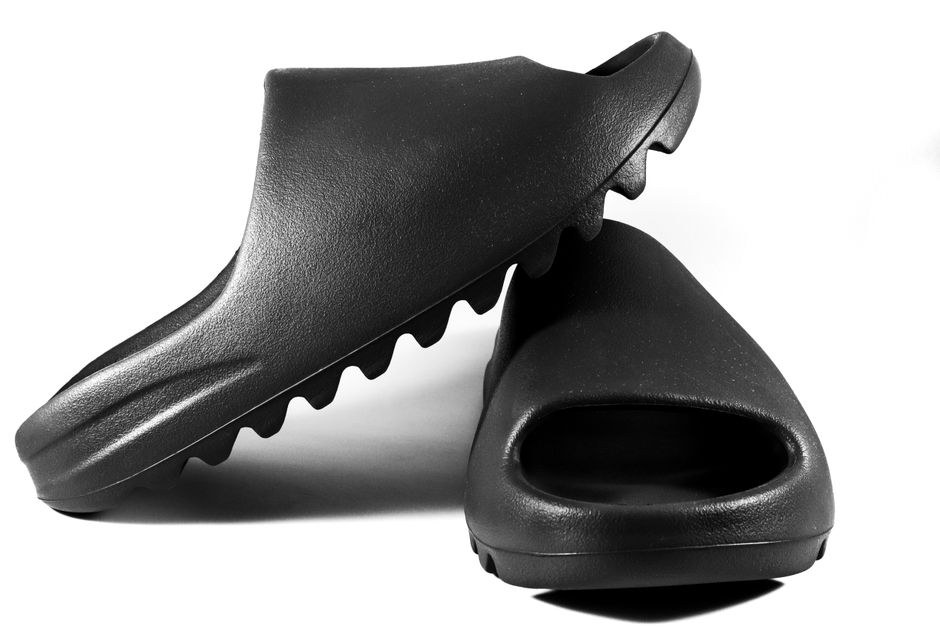
Compare buying custom house slippers from a Ningbo slipper factory versus a trading company in service, cost, and communication to make a smarter sourcing choice.
Most buyers assume a trading company is cheaper because they see more suppliers and negotiate harder. In practice, the opposite is often true: as a Ningbo slipper factory we see quotes where the trading company took a margin on padding, packaging, or QC, then blamed the factory when a shipment missed its date. Neither model is wrong, but you should treat them as different sourcing styles, not as an automatic price advantage.
Understanding the two models in slipper sourcing
A factory manufactures. It owns or operates the cutting, stitching, sole assembly, and packing lines. A trading company does not usually own equipment; it coordinates between you and one or more factories, sometimes sourcing components from different places to meet your brief. The difference is not just where the goods are made but who controls the order. With a direct slipper manufacturer you control the brief, the sample approvals, and the production schedule through the same team. With a trading company, you control the brief, but execution passes through a middle layer that may not share your sense of urgency.
Cost: where the real money goes
Published unit prices usually favour the factory, because there is no added margin. But the total landed cost is where the comparison gets interesting.
- Quoted unit price: A factory can price the slipper at first cost. A trading company adds its own fee, which may range from small to substantial depending on their overhead.
- Tooling and sampling: A factory already has dies, moulds, and cutting equipment. A trading company may ask the factory for samples, then mark them up or add a handling charge.
- Low MOQ orders: Trading companies sometimes source from smaller workshops that accept lower quantities. A factory with in-house lines may set higher MOQs unless you negotiate a trial run.
- QC and rework: If defects appear, a factory can fix them at the source. A trading company may need to send them back to a third party, adding time and cost.
- Freight consolidation: Trading companies often handle multiple suppliers, which can help if your order is small. The factory quote may not include consolidation.
The trap is quoting one unit price against another without checking who pays for samples, tooling, inspection, and packaging. That is where factory vs trading company slippers decisions are won or lost.
Service and communication compared
Service means different things depending on how complicated your order is.
A direct slipper manufacturer is strong when you have a clear specification and plan to repeat it. You speak to the people who run the machines. Questions about fibre, foam density, or sole hardness are answered by someone standing on the production floor. The downside is that a factory may be less flexible on design consultancy; they build what you describe.
A trading company is strong when your order is small, multi-product, or you need someone to source components across several suppliers. They may offer more hand-holding, handle communication in your time zone, and carry a wider catalogue. But each request travels through an extra layer. A small change to an outsole colour, easy for a factory to confirm, can take days to come back. In our experience, the best trading companies are the ones with a tight relationship to one or two specific factories, not those juggling dozens.
Risks and hidden costs
The risk profile differs. With a factory, the risk sits with production capacity and quality consistency. If a line is full or a key worker leaves, your order may slip. With a trading company, the risk is visibility. You may not know which factory runs your order, what their working conditions are, or whether your tooling is being reused for another client. Both models can hide problems, but you should ask different questions. For a factory: what is your current capacity, and who owns the tooling? For a trading company: which factory will run this order, and can we visit or audit it?
How to decide for your business
Start with your order profile, not with a preference for one model.
- If you have a stable design and order at least a few thousand pairs per style, a direct slipper manufacturer usually gives you better control and lower total cost.
- If you are testing several small designs or need mixed containers, a trading company may save you coordination time, even if the unit price is higher.
- If your brand requires traceability, factory visits, or specific certifications, a direct relationship is easier to verify.
- If you lack sourcing experience in China, a trading company can act as a buffer, but expect to pay for that service.
Many buyers use both. They place core styles with a factory and small experimental runs through a trading partner. The mistake is assuming one model is always cheaper or always safer.
Practical steps before you commit
Whichever route you take, run the same checks. Ask for a sample with your logo on the insole and packaging, even if you pay a sample fee. Confirm who owns the tooling, who pays for lab testing, and what happens if the goods fail inspection. Get the production lead time in writing, not just the quotation lead time. And make sure the payment terms match the risk. A 30% deposit is standard for factories, but milestone payments or a small retention can keep both sides honest.
We are a Ningbo slipper factory that also works with trading partners for buyers who need mixed supply. That gives us a useful view of both sides. The buyers who get the best outcomes are not the ones who chase the lowest quote; they are the ones who define who is responsible for samples, quality, and delivery before the order is placed. Do that, and the factory versus trading company question becomes a business decision rather than a gamble.