Private Label Slippers: Gift Set Packaging That Sells Overseas
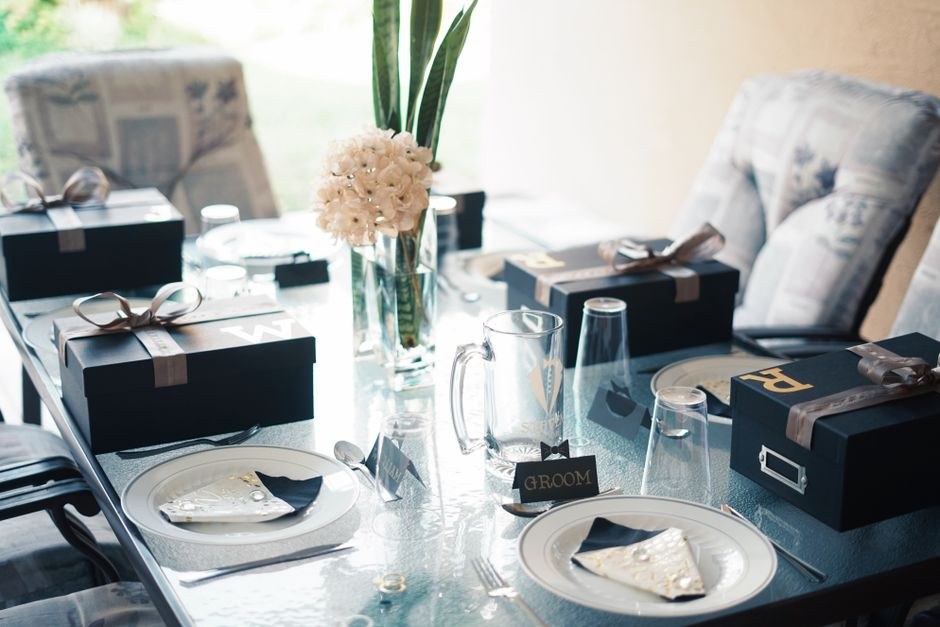
How importers build retail-ready private label slippers gift sets: box formats, insert options, costing gaps, and the MOQ questions to settle before tooling.
Most slipper gift sets fail before the first carton ships, and the cause is rarely the slipper. It is the box: an insert that was not drawn until after sampling, a magnetic closure specified for a market that resists it, a shelf rule that punishes a footprint. If you are buying private label slippers as a standalone SKU, packaging is a design decision you make once. As a gift set, packaging is the product, and every cost and lead-time consequence flows from it.
Here is how to think through the formats that actually work overseas, what they add to your landed cost, and which questions to settle with your factory before tooling starts.
Why one template will not survive three markets
Discount European grocers tend to buy against visible value per euro. A two-pair set that reads generously on the shelf, with a window that shows both pairs, usually out-trades an opaque lid. US mid-tier buyers push the other direction: a single pair in a rigid two-piece box with a clean unprinted face sells as an impulse-around-$25 item because the box signals a gift, not a value pack, and retail executes better when the carton face carries no discount messaging.
Hospitality sits outside both. Hotels and spas buy for in-room presentation and replacement cycles: sizes marked on the wrapper, a sealed hygienic pack, a fold that blocks snagging, and a stock carton you can hand to housekeeping. That is a distinct programme from retail gift, not a smaller version of it.
The practical move is two builds, not one. Define a low-cost set that hits the price-led channels and a rigid presentation set for gifting. Both can share the same slipper and insert tooling; only the outer construction differs. That is how you avoid paying twice for engineering.
Two cheap features travel across every market:
- A transparent window over the upper, so the buyer judges towelling, pile or knit without opening the box.
- A fitted tray printed with size and composition, which doubles as a size divider in mixed sets.
Slipper gift packaging: formats, wear, and what each costs you
Folders in three main directions, plus a hospitality format.
- Folding carton with PVC or PET window. Cheapest to run, flat-shipped with the sets, lightest on freight. Weak at gift counters because it is not meant to be unboxed slowly. Add a sleeve or belly band if you need copy without printing the whole carton.
- Rigid two-piece (lift-off lid). Highest unit cost, best unboxing, heaviest and bulkiest. Compacts and crushes well in retail handling but real pallet cube is where it eats your margin. Reserve this for premium gifting.
- Sleeve-and-tray. A fitted tray inside a printed sleeve. Retains shape in transit, prints cheaply on the sleeve, and gives you a second copy surface for how-to-care text.
- Pouch or drawstring bag. For hotel and spa programmes with a per-room replacement rhythm. Component cost is low but pack-out labour is not, so keep the fold simple: two pairs, flat-folded, one bag.
Watch the mass balance. Plastic hooks above roughly fifty or sixty grams of board are where crush complaints and retail compliance checks both cluster. If your set weighs more, ask for a reinforced corner construction and a smaller footprint rather than a lighter board that fails on the shelf.
Also think about what is printed where. A branded box must survive label changes without a reprint, so buy a universal unprinted carton and add SKU information by sticker or overprint.
The real cost sits in the insert, not the slipper
Buyers submit a rigid box with an acetate window, satin ribbon, magnetic closure and individual slots for a robe and both slippers. Then they ask why the quote came back above budget. The answer is tooling geometry. Inserts are the most reliable cost driver, and the earlier they are modelled against slipper geometry, the fewer surprises.
Four items deserve your attention before pricing is locked:
- Die-cut cost. Insert and window dies are one-time charges, but expect to pay again for a fixed 3-ply or wireframe version even if pair count changes.
- Fixed steps. Folds, ribbons, foam and window lamination fall through fixed process steps. Small sizes get no cheaper per unit.
- Carton cross-over. Once the finished box passes the standard shoe box footprint, you buy a longer outer carton and more pallet cube. Freight can move for a reason you never see on your own P&L.
- Sustainable set options. Kraft, recycled board and rPET are now shelf demands in several markets. They cost more, not less. Pitch a single eco set as your flagship rather than converting your whole line.
When you request pricing, request it as separate line items: board, tooling, printing, insert, assembly. That way you can decide which levers you actually want to pull. A single blended number invites disputes six weeks later if any step shifts.
Bulk slipper gift sets: how to reconcile MOQ with your product line
A three-pair box is not three times the MOQ of a single unit, but it is not one times either. The carton sets the MOQ, not the pair count. A run of five thousand for a folding carton set and a run of two thousand for a rigid set are realistic reference points; hotel packs sit between them, and some pouch formats can be quoted lower because the tooling is paper-light and several colours share one film.
One issue deserves its own decision: the box print sitting on a slow-moving size or colour. Committing box stock to an unproven shade leaves you with orphaned packaging the day the assortment changes. Control it one of two ways. Either stock a plain shield carton and overprint or sticker the SKU, or keep the slow movers inside a polybag programme rather than a printed gift box until reorder data justifies the commitment.
Before tooling, put six questions in writing to your factory:
- Which box construction and sheet construction reduce the outer carton weight without changing footprint?
- Is the insert designed against the actual graded last, or against a sample proxy?
- What are the per-colour charges, and do they drop at your next quantity break?
- Can unprinted stock be repurposed across SKUs in your next run?
- Will the assembled set fit your pallet pattern without overhang or void fill?
- If window film is in play, can it be eliminated for markets that restrict it?
Decide what the box does before you price it
Writing your gift-set brief around the package, not the slipper, is the fastest way to avoid a second round of sampling. Pick one construction that matches your main channel's price ceiling, confirm the insert against a dimensional drawing rather than an unboxing video, and list tooling separately in the quote so you can see what rebuilding actually costs. The packaging decision is the product decision here — make it in that order, and the factory conversation gets shorter.