Non Slip Slipper Soles: Materials That Decide Grip and Durability
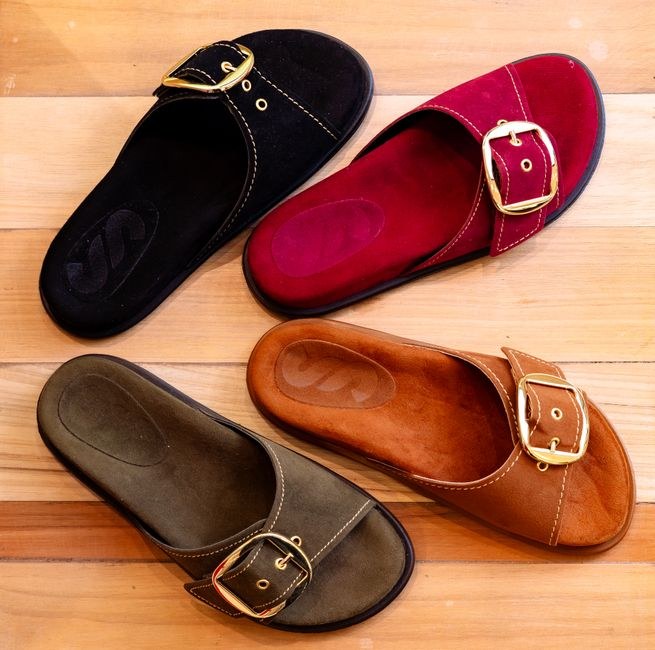
A buyer's guide to slipper sole materials — EVA, rubber and TPU — and how each affects grip, wear and market fit for non slip slipper soles.
Most slip complaints on slipper orders trace back to the outsole, not the upper. A plush or cotton slipper can look perfect on the sample table and still fail a retailer's slip test if the sole material was chosen for cost rather than for the floor it will meet. If you are specifying a program this season, settle the sole first and the upper second. The brief that produces reliable non slip slipper soles is a technical document, not an aesthetic one.
Why slipper sole materials decide the slip rating before anything else
The outsole is the only part of the slipper that touches the floor, so its compound, hardness and tread geometry set the friction performance. Uppers can be swapped between seasons; the sole often locks tooling, so it is the least forgiving decision in the tech pack. Buyers in hospitality, healthcare and retail gifting tend to care about three things in order: grip on wet tile, grip on smooth laminate, and how fast the tread wears out.
Specify by end use, not by price alone. A bathroom slipper for a hotel in a humid climate has different demands from a bedroom slipper for a cold-climate catalogue. Write the intended floor surfaces into the brief.
EVA, rubber or TPU: how the three common slipper sole materials compare
Nearly every house slipper program sits in one of three families. None is universally best; each is a trade between weight, cost, grip and tooling life.
- EVA is light and inexpensive, molds easily and can be given a textured base. It performs acceptably on dry indoor floors but glazes and hardens over time, and on wet tile it is the weakest of the three. Fine for low-cost promotional slippers, not the first choice where slips are a real liability.
- Rubber offers the highest friction and the best abrasion resistance, including on damp floors. It is heavier and usually costs more. For hotels, spas and any environment with hard wet floors, it is the conservative option.
- TPU sits between the two: lighter than rubber, tougher than EVA, moldable into clean tread patterns, and available in softer grades that still grip. It suits mid-tier hospitality and retail lines where weight and durability both matter.
A practical approach is to treat EVA as the budget tier, TPU as the volume middle and rubber as the performance tier — then make sure your price tiers match what the sole can actually deliver.
What buyers must specify on a non slip outsoles tech pack
Non slip outsoles are only as good as the instruction that produces them. Vague lines like “non-slip sole” are read differently by every factory and every mold maker. Put measurable requirements on the sheet:
- Material family and grade, not just “rubber” or “EVA”.
- Hardness target, since a soft compound deforms and grips differently from a hard one.
- Tread depth and pattern — a shallow, polished surface is a slip risk regardless of compound.
- Thickness, which affects both cushioning and how deeply the tread can be molded.
- Intended floor surfaces: dry, damp, smooth, carpeted.
- Any slip or abrasion standard the destination market expects, and the test method behind it.
- A wet and dry grip check in the approval protocol, not only a visual one.
Ask the factory what happens to grip after repeated washing; a sole that passes the first test and fails at home is what generates returns.
Matching sole choice to market and channel
The same slipper sold through a discount chain and a spa supplier should not share an outsole. That is a common source of complaints in mixed catalogues.
- Hospitality and spa: specify rubber or a proven high-friction TPU for wet-room safety. Slippers get replaced often, so comfort per pair matters more than extreme tread life, but liability exposure is the bigger risk.
- Retail and gifting: TPU gives a clean, dense look and consistent grip on laminate floors. It is the easiest sell in mid-market catalogues.
- Discount and promotional: EVA is defensible if the floor is dry and the pair is short-life. Be careful about marketing claims; do not let a cheap sole carry premium slip-proof wording.
- Amazon and e-commerce: consumer reviews punish slip strongly and quickly. If a product carries slip testing claims in its listing, verify that the specification backs them.
Where the decision lands for your next order
Before you approve the sole, verify it on the floor it will meet. Ask the factory for a sample shoe with the production sole — not a lab mock-up — and test it yourself on clean tile, damp tile, polished concrete and carpet. A five-minute hands-on test catches most problems that spec sheets miss.
Then turn the result into a short sole spec: material, grade, hardness, tread depth, thickness and the test evidence the factory will supply. Use that same document for every reorder so the sole does not drift between production runs.
Finally, treat the outsole as a line item in negotiations, not an afterthought. When a quotation comes in below what you expected, check which sole family landed in the price. A cheaper outsole is often the difference, and in a market where a slip claim can cost more than a container of slippers, it is the wrong place to save. Ask for the soles spec in writing, keep the approved sample, and let the floor test — not the price sheet — make the final call.