Plush vs Fleece vs Memory Foam Slippers: A Materials Comparison
Compare plush, fleece, and memory foam house slippers by cost, feel, durability, and best-fit market — so you can choose the right spec for your line.
Material choice decides your landed cost, your seasonality, and how your slippers are reviewed six months after purchase. Plush and fleece are classic house slipper materials for warmth and shelf appeal; memory foam is a comfort technology layered inside the slipper. They solve different buying problems, and importers often mix them across price tiers. Below is how each behaves when you source from an OEM factory in China.
Plush Slippers: The High-Margin Winter Seller
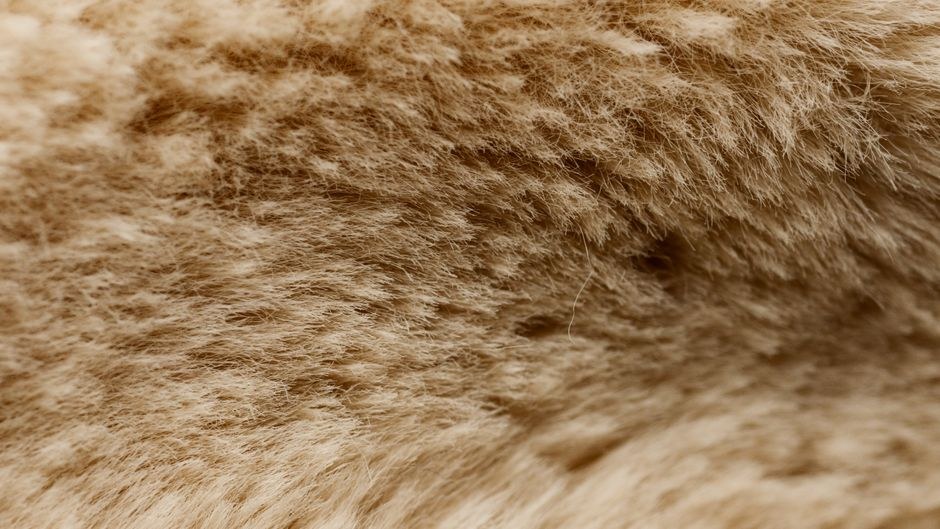
Plush refers to a cut-pile knit fabric, typically polyester, with a tall, soft surface. It is the closest material to the hotel-slipper feel buyers recognise, and it photographs extremely well. For winter ranges, plush is often the default because it reads as "warm" on a product page within a second.
- Cost: Mid-tier. Plush fabric itself sits below good fleece per square metre, but the pile requires more care in cutting and sewing, so labour cost rises slightly.
- Comfort: Soft and cushioned against the foot. It compresses over time but does not shed badly if the pile is anchored properly.
- Durability: Moderate. With extended wear, the pile flattens in the heel and ball of the foot.
- Best markets: Northern Europe, North America, Japan — any market with a real winter season, especially for gifting and holiday promotions.
One watchpoint: very cheap plush can shed fibre on dark floors, which shows up fast in customer reviews. Ask your house slipper manufacturer to specify pile height and backing type before sampling.
Fleece Slippers: The Everyday, Mid-Price Workhorse
Fleece is a tighter, denser knit or bonded fabric — often polar fleece or a micro-fleece with a shorter pile than plush. It is generally more uniform and more shape-retaining. In our experience with custom house slippers, fleece is the material buyers choose when they want a slipper that survives daily wear through autumn and spring, not just deep winter.
- Cost: Mid to upper-mid. Good fleece runs above standard plush, but the tighter surface means less waste in cutting.
- Comfort: Warm, smooth, less fluffy than plush. Some users find it cooler against the foot, which extends the wearable season.
- Durability: Better than plush. Resists pilling and shedding when the fabric is well bonded.
- Best markets: North America year-round programmes, Australia, the UK — where a single slipper needs to run across more months.
For plush and fleece slippers, the single biggest quality variable is the fabric supplier, not the factory. Two factories using the same machine can produce very different results at the same price point because of the backing and bonding chosen. Specify a sample for approval, not a photo.
Memory Foam Slippers: Comfort That Sells, With a Cost Stack You Must Manage
Important to clarify: "memory foam" is not the upper. It is the midsole layer inserted under the footbed, usually over EVA or a support board. When buyers search for memory foam slippers supplier, they usually mean a slipper with viscoelastic foam in the footbed, regardless of upper material.
- Cost: Adds a fixed cost per pair, driven by density and thickness. A 20mm high-density insert costs meaningfully more than a thin 8mm one — and buyers can feel the difference immediately.
- Comfort: Strong on first impression. The foam moulds to the foot, which drives repeat purchase and gift sales.
- Durability: Varies sharply. Low-density foam bottoms out in weeks; good foam keeps its recovery for months. This is where most quality complaints originate.
- Best markets: US, Canada, and increasingly the Middle East — markets where "comfort" and "arch support" are search terms that convert.
Memory foam is also the most common complaint driver in custom slipper sourcing. If your retail price supports it, insist on a minimum density spec and a retained-samples test before mass production.
Plush, Fleece or Foam? Matching Material to Market and Price Tier
Most successful slipper lines use two or three materials across a price ladder rather than committing to one. A practical way to decide:
- Define your target retail band first. Entry-level typically supports plush uppers with a basic EVA footbed; mid-tier supports fleece plus a soft foam insert; premium supports fleece or plush over a high-density memory foam midsole with a rubber outsole.
- Match material to climate, not to trend. A buyer in Quebec and a buyer in Dubai will not share a winning spec.
- Lock the insert spec separately from the upper. These are two purchase decisions, and treating them as one is where most cost surprises appear.
- Order pre-production samples in each material before finalising a range. Plush and fleece look almost identical online but read very differently in hand.
For hotel and spa programmes, the calculus shifts: plush and fleece dominate because appearance and single-stay comfort matter more than multi-year durability. For retail and private label slippers, durability and review sentiment drive the material decision.
How to Run a Material Trial Before Committing
If you are still uncertain, run a small controlled trial rather than guessing. Ask your Ningbo slipper factory or preferred partner for three samples at the same price band: one plush, one fleece, one fleece with a memory foam insert. Wear-test them internally for two weeks. Then place a small trial order — or negotiate a reduced MOQ for the first run — before scaling.
Two practical rules from the factory floor: approve fabric by hand sample, never by screen; and approve the footbed insert by density, not by thickness alone. If your supplier can explain the difference between their foam grades without deflecting, that is a good signal. If they cannot, treat the quote as provisional.
Finally, keep material decisions reversible. Plush, fleece, and memory foam can share a common outsole and pattern, which lets you test market response across materials without re-tooling. That optionality is worth more than a marginal unit-price saving on a single large order.