Plush & Fleece Slippers: Winter Sourcing and Trend Insights
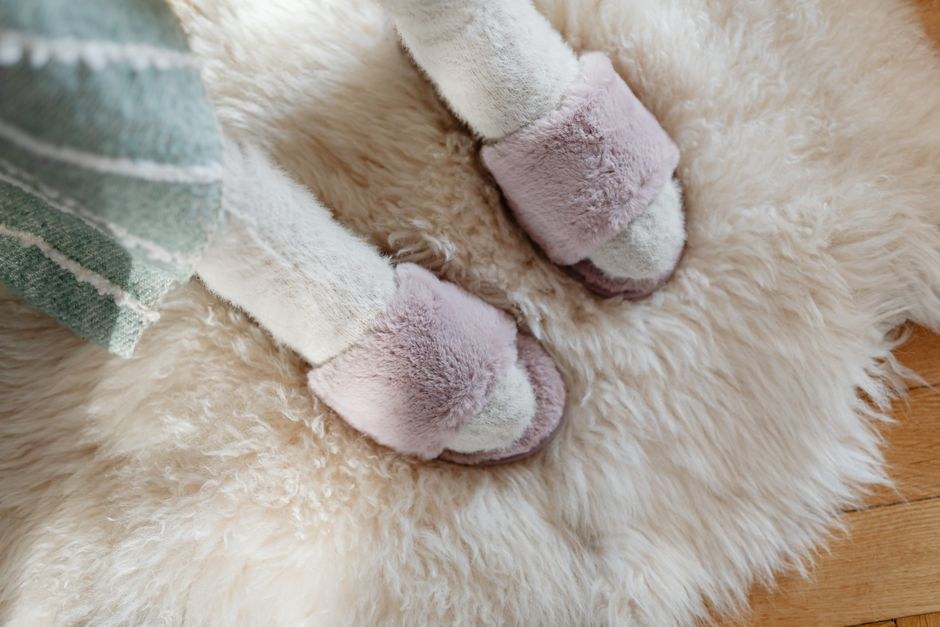
A practical guide for importers on sourcing plush and fleece slippers for winter: evaluating fabrics, nailing quality, timing orders, and hitting retail trends.
Winter slippers are the easiest category to get wrong. Buyers see soft, fluffy samples in July, commit to a container, and by November the pile has flattened, the soles have gone hard, or the color reads nothing like the swatch. The fix is not better luck. It is treating plush and fleece as performance fabrics with specific failure modes, then sourcing them the way you would source any other seasonal product with a short selling window.
This guide walks through what actually matters when you buy plush and fleece slippers for winter: what the fabrics do, where quality breaks down, how to time the calendar, and which trends are worth chasing in the coming season.
Know the difference between plush, fleece, and sherpa before you spec anything
The words get used interchangeably in marketing, but they behave differently on a slipper upper.
- Plush — usually a cut-pile knit or velour with a long, dense surface. It looks the most luxurious and photographs best, which is why it dominates gift and impulse SKUs. It is also the most prone to matting at the heel and toe if the pile is short-staple or loosely tufted.
- Fleece — typically a brushed polyester or poly-cotton with a shorter, tighter pile. Less dramatic in a product photo, but it holds shape longer and shows dirt less. A good default for value-tier and family-size programs.
- Sherpa — a curled, nubby pile that reads as cozy and slightly rustic. Popular in outdoor-adjacent and lodge-style brands. Harder to keep consistent batch to batch than either plush or fleece.
If you are specifying for a private label programme, decide which of these three the brand is actually selling — “soft” or “warm” as a spec leads to arguments at inspection. A pile height range, a backing type, and a pilling test result are what a factory can hold itself to.
Where plush and fleece slippers fail in the field
Most complaints on winter slippers trace back to a small set of issues. Ask your supplier how each is controlled before you place the order.
- Pile shedding and pilling. Loose fibers transfer to socks and floors, and the upper looks worn within weeks. This is a yarn and finishing issue, not something your QC team can catch by eye on a finished pair. Ask for a pilling test on the actual production lot.
- Flattening at pressure points. Memory foam insoles lose loft if the foam density is too low or the insole is too thin for the outsole cavity. Buyers often spec “memory foam” without a density figure, then wonder why returns spike in January.
- Stiff, noisy outsoles in cold. Some TPR and EVA compounds stiffen noticeably below a certain temperature. If you ship to northern markets, brief the factory on the coldest end-use market, not the average one.
- Color shift between lots. Deep dyed plush, especially in reds, burgundies, and blacks, is harder to match run to run. Confirm a signed lab dip and a production swatch, not a Pantone number alone.
- Size drift after washing. Fleece uppers and cotton-blend linings can shrink differently. If the retail listing says machine washable, test after three cycles, not one.
None of these are exotic. They are simply the things that get skipped when a winter order is placed late and rushed.
The winter sourcing calendar: work backwards from the shelf, not from the factory
Plush and fleece programs are seasonal, so the schedule matters as much as the product. A workable sequence for most importers looks like this:
- 12–14 months before the selling season: material research and trend selection. This is when you choose pile types, colors, and silhouettes.
- 9–10 months out: sample rounds and confirmation. Two revisions is normal; three means the brief was loose.
- 6–7 months out: place the bulk order. Factories in the Ningbo area fill up on winter plush from roughly midsummer onwards, and the good lines go first.
- 4–5 months out: production and inspection window, with a buffer for rework on any failed lot.
- 3 months out: vessel departure to hit retail floors before the first cold snap.
If you are selling on marketplaces rather than through wholesale, compress the front end but do not compress the buffer. Late arrivals in this category get marked down faster than almost anything else in footwear, because the demand curve is steep and short.
Trends worth watching for the coming winter
Nothing here is a guarantee, but these are the directions showing up in buyer conversations and retail assortments.
- Two-tone and contrast soles. A neutral plush upper over a colored or gum-look outsole adds shelf presence without new tooling if the sole is already in the factory’s range.
- Chunky, boot-like silhouettes. Higher collars and thicker platforms continue to sell, particularly in gifting channels. They use more material, so reprice before you commit.
- Sustainable fibers with honest claims. Recycled polyester fleece is established; claims about biodegradability need documentary backup before you put them on a box.
- Cozy color palettes. Oatmeal, camel, forest, and deep burgundy are replacing the brighter novelty tones of recent seasons.
- Gift-ready packaging. For plush specifically, a printed poly bag or a simple hangtag does more for sell-through than an upgrade to the slipper itself.
What to do before you send the next inquiry
Put four things in the brief: the pile type and a target pile height, a foam density figure for any memory foam insole, the coldest market the product will be worn in, and a signed swatch rather than a color code. Ask for the pilling test method and the wash-cycle result, and get the production lot number attached to both. Then build two weeks of slack into the production window, because plush and fleece lines fill quickly and rework on a failed inspection is the most common reason a winter order arrives late.
If you are comparing suppliers, run the same brief past two or three and read the technical replies, not the price lines. The factory that asks about your end market and pushes back on an unclear foam spec is usually the one that will not surprise you in November.