Private Label Slippers: Sew-In Labels and Care Tags for Retail
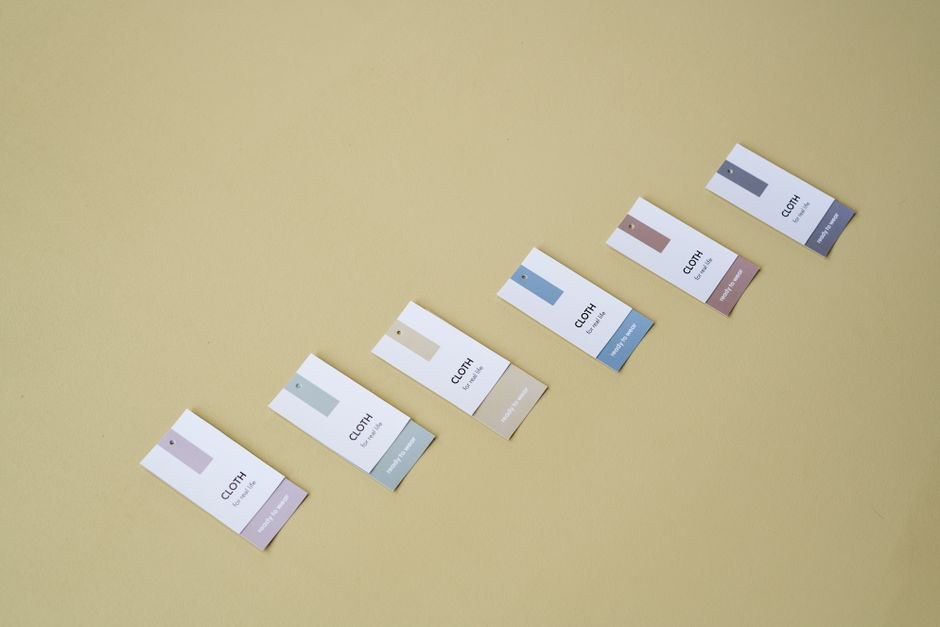
A buyer's guide to sewn-in labels and care tags on private label slippers: what retailers expect, how to specify content, and where labeling goes wrong.
Most retail buyers approve slipper samples on fit and feel, then discover at the pre-shipment inspection that the labels say the wrong thing. For private label slippers, the sewn-in label and care tag are part of the product, not stationery. Get them wrong and a retailer can reject the cartons at DC intake, or a consumer can return a pair because the care instructions led them to wash it in a way that ruined the insole.
This guide covers what has to be sewn in, what it has to say, and how to lock the wording down before production. It does not cover packaging design or certification testing — those are separate jobs.
What the retailer actually checks on private label slippers
Store buyers and quality teams look for a small set of things on a finished pair, and they look at them fast:
- Brand label — logo, size, and where it sits so it is visible on shelf.
- Country of origin — stated as the destination market requires, usually on a sewn-in label or a permanent mark.
- Fibre content — the material percentages for the upper, lining and filling, in the order and language the market demands.
- Care instructions — washing, drying, and any warnings about the sole or foam.
- Batch or style code — so a return can be traced to a production run.
None of this is exotic. The failure mode is inconsistency: the label says one fibre blend, the tech pack says another, and the carton sticker says a third.
Slipper care labels: the wording that protects the product and the brand
Slipper care labels are where comfort products get into trouble, because slippers combine materials that do not survive the same wash. A cotton upper, a memory foam insole and a rubber outsole have three different tolerances. A single generic instruction like "machine wash cold" is how you generate returns.
Work from the construction outward:
- If the insole foam is bonded and not designed for immersion, say surface clean only and name the method.
- If the upper is washable but the sole is glued, state the maximum water temperature and forbid tumble drying.
- If the product is a hotel or spa style meant for repeat laundering, the care label must match the laundry process the property will actually use, not a domestic one.
Write the instruction in plain language first, then convert it to the symbol set or wording your destination market requires. Keep a copy of the approved wording on file; it is the reference when a factory asks whether a small change is acceptable.
Where custom house slippers labeling goes wrong
Most label problems on custom house slippers are not printing defects. They are specification defects, and they show up in predictable places:
- Label content written after sampling. If the care wording is agreed only when the PO is issued, the factory is guessing during trial production.
- Translations done informally. A staff member translates the care text, the meaning shifts, and the destination market rejects the wording.
- Placement drift. The label is sewn into the side seam on the sample and into the heel on bulk. Retailers notice.
- Size mismatch. The size on the label, the size on the sole and the size in the polybag disagree.
- Label stock chosen late. A soft satin label on a plush lining can pucker or scratch; the material should be chosen with the product, not after it.
Each of these is cheap to fix before production and expensive to fix after. A hypothetical mid-size supermarket chain sourcing its own-brand slippers will typically specify label placement in its vendor manual. If your factory has never seen that manual, the first bulk order is where you find out.
How to specify labels so the factory gets it right first time
Put label information in the tech pack as a controlled section, not in an email thread. A workable spec includes:
- A physical or high-resolution reference of each label: brand, size, composition, care, origin.
- Exact text in every required language, with the approved translation attached.
- Placement drawing showing stitch position and seam allowance.
- Label material and finish, and whether edges must be folded or heat-sealed.
- Who signs off on changes, and the rule that no wording changes without written approval.
During sample approval, check labels as carefully as you check stitching. Photograph the approved label in place, and keep that photo with the approved sample. It is the cheapest quality-control tool you will use on the order.
At inspection, add a label check to the normal AQL routine: wording correct, placement correct, size matching, no loose threads or skewed stitching. It takes minutes per carton and catches the errors that cause retail rejections.
Practical next steps for your label programme
Before you place a production order, do three things. First, write down the care instructions for each construction you sell — cotton, memory foam, plush and hotel styles — separately, because one set of wording will not cover all of them safely. Second, confirm what the destination retailer requires in writing, including language, fibre percentages and origin marking, and keep that document with the tech pack. Third, ask your factory to show you a production sample with the final labels sewn in before the bulk run starts.
Label specification is unglamorous, and that is exactly why it gets skipped. Treat it as part of the product, agree the wording early, and your slippers arrive ready for the shelf instead of sitting in a warehouse waiting for rework.