Keeping Custom House Slippers Consistent from Sample to Bulk Run
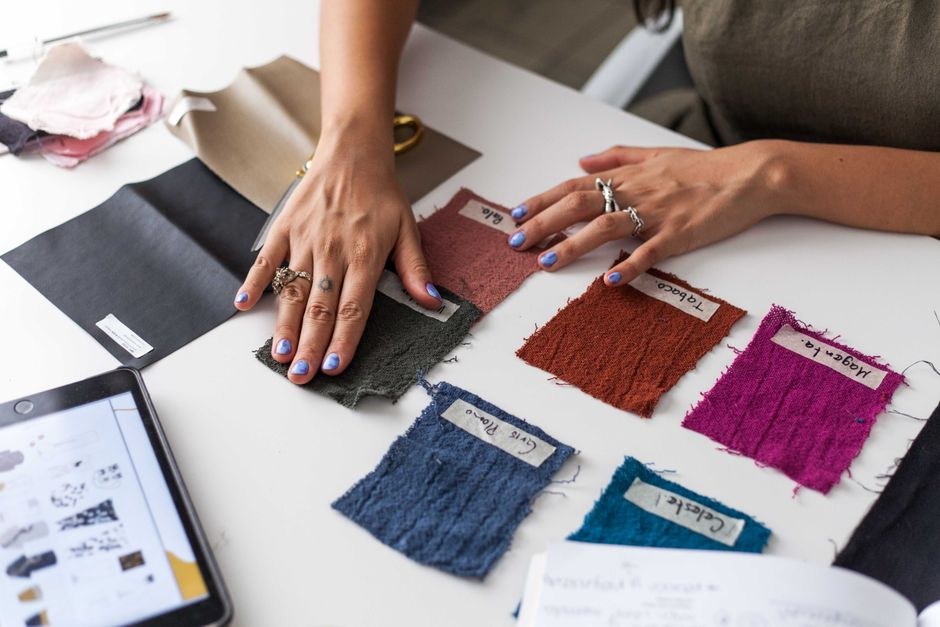
Why custom house slippers drift between approved samples and mass production, and how buyers lock down materials, specs and sign-offs to keep every run identical.
Approval of the first sample is the easy part. The real test of your order is whether pair number 4,000 on the packing line feels like the pair you signed off in the meeting room. Custom house slippers are assembled from soft goods — foam, fabric, adhesives, thread tension — and soft goods drift. Most of the quality complaints we hear from importers are not about a bad sample; they are about a good sample that was never frozen in writing. That gap has a name: slipper production consistency.
Why consistency drifts after the sample is approved
A sample is usually made by a senior technician, in a small setting, with materials at hand. A bulk run is made on a production line, by different operators, often weeks later, sometimes with a new roll of fabric or a new batch of foam. Each of those steps introduces variance.
The usual culprits:
- Material batches: a dye lot differs slightly, fleece pile is shorter, cotton canvas is a little heavier, foam density reads differently on the supplier’s datasheet than on the sample bench.
- Silent substitutions: a liner or outsole is swapped for a visually similar one because the original was out of stock — and nobody tells the buyer.
- Process drift: shorter stitching, less adhesive, warmer moulds, faster curing, a different insole lamination tack time.
- Size grading errors: the sample is a medium and everything looks correct, but the large and small patterns were scaled without checking toe-box volume or heel grip.
- Training gaps: one supervisor starts the run and another finishes it, with no shared reference point.
None of these are dramatic. Together, they produce a bulk delivery your customer considers “not quite the same”.
Freeze the custom slipper samples into a written benchmark
The custom slipper samples you approve should be treated as a contract artefact, not a souvenir. Before you sign off, agree on three parallel records:
- The signed gold sample, retained at the factory with your initials, date and order reference. Keep a second one in your own office.
- The spec sheet, listing every component: upper fabric and weight, lining and pile, foam density and thickness, board or insole construction, outsole material and hardness, thread type, stitch length and stitch density, adhesive class, label placement, packing form.
- A photo and video set, showing the slipper from six angles, the opened seam, the inside of the toe box, the insole edge, the label and the folded pair in its polybag.
The written record is what protects you if you send the order to a second factory later or if your original contact leaves the company. Without it, the sample is just a memory — and memories are negotiable.
The five control points that keep custom house slippers identical
In practice, consistency gets won or lost at five fixed points in the run. Build them into your purchase order.
1. Material approval for each batch
Ask for a hammer-sample or swatch from every material lot before it reaches the line, matched to the signed reference. This is cheap at the start and expensive to skip. If a supplier cannot find the same fleece, you want to know before cutting, not after.
2. Pre-production sample from the actual bulk materials
The first few pairs made from bulk materials — not from the sample bench — are your pre-production sample, often called a PP sample. Compare them to the gold sample side by side, on a flat table, in neutral light. Do not rely on memory.
3. In-line checks during the run
A short walk-through at 10 to 20 percent of the run catches stitching drift, loose linings and uneven foam rounding. It is not a substitute for formal inspection; it is an early warning. Factories that run many styles per line benefit most from this, because changeovers are where consistency fails.
4. Size-set verification
Once the run begins, ask for one pair per size from production, not from the sample team. Check length, width and heel hold on the last. If your market includes half sizes or wide fits, agree in writing which sku maps to which last pattern.
5. Packaging and pair matching
Consistency does not stop at the slipper. Pair the sizes, match left and right by shade, and confirm the polybag, hanger and carton print against the approved artwork. Mixed sizes in a carton are a warehouse complaint, not a factory problem — but they start at the packing table.
What to do when a run drifts anyway
You will occasionally get bulk that differs from the sample even with controls in place. The useful question then is not “who is to blame” but “how do we correct the line and protect the customer”.
- Quantify the gap: take ten pairs from the run, measure against the spec sheet and photograph them beside the gold sample. Vague complaints get vague answers.
- Separate cosmetic from functional: a slight shade shift may be acceptable for a promotional import; a loss of grip on a bathroom outsole may not be.
- Agree a disposition: rework, sort, discount or replacement — in writing, with a deadline, before the balance is released.
- Close the loop: add the issue to your spec sheet so the next run does not repeat it.
A factory that responds clearly to a drift is more valuable than one that never has a problem, because the second kind usually does not know it has one.
Practical closing checklist for buyers
If you take one habit from this article, make it this: never treat an approved sample as the end of the work — treat it as the start of your control plan. Before each bulk order, confirm five things in writing:
- The gold sample is retained and referenced on the purchase order.
- The spec sheet lists every component and measurable attribute.
- A PP sample will be made from bulk materials and approved by you before cutting proceeds.
- Material lot swatches will be checked against reference before the line starts.
- A named person on your side signs off each stage, with photos filed under the order reference.
Consistency is not a premium product feature; it is a boring administrative routine. Slippers that feel the same in every carton protect your reorder cycle, your retail listings and your customer reviews. Buyers who plan for that from the first sample spend less time firefighting and more time selling.