Seasonal Slipper Buying Calendar: A Quarter-by-Quarter Guide
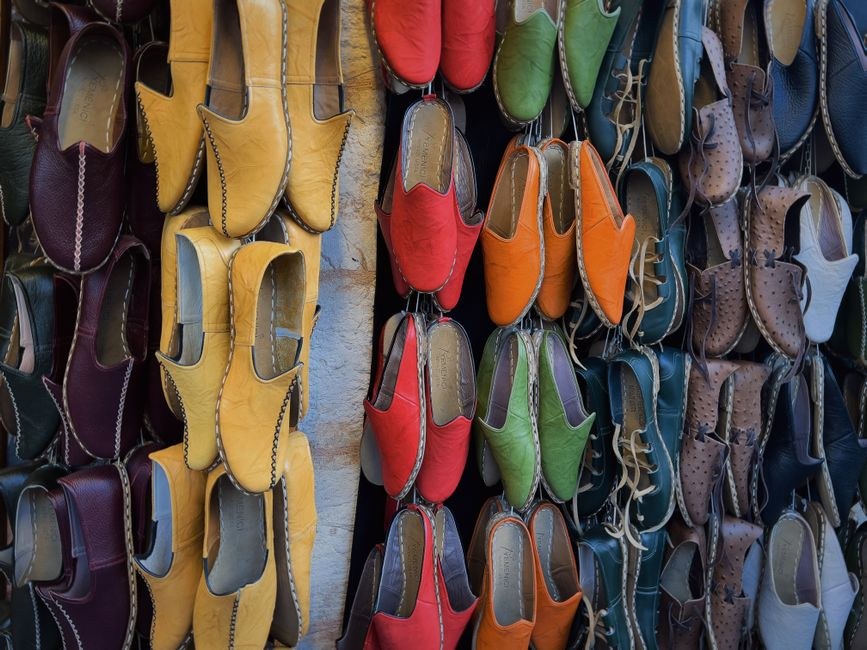
A practical seasonal slipper buying calendar that maps order placement to retail seasons, with lead-time buffers for peak periods. Plan your slipper order timing.
Most sourcing failures I see in house slippers are not quality problems—they are timing problems. A buyer places an order in what feels like plenty of time, then watches a vessel delay or a factory capacity crunch turn a comfortable margin into a rush-air-freight loss. A seasonal slipper buying calendar solves this by working backwards from the retail shelf, not forwards from the purchase order. Below is a quarter-by-quarter map you can adapt to your own market, along with the buffers that actually matter.
Why Slipper Order Timing Deserves Its Own Calendar
Slippers are seasonal in a way that few categories are. Winter plush and fleece styles have a hard sell-by date; hotel and spa slippers move on hospitality refurbishment cycles rather than weather; and cotton styles can stretch across more of the year but still peak in gifting seasons. That means your factory slot competes with every other buyer who wants plush in July. Getting slipper order timing right is less about being early and more about being early relative to your competitors. The calendar below assumes a 45–60 day production window for repeat styles and 75–90 days for new tooling or new materials—confirm the actual figure with your factory, because it varies by construction and order size.
Q1: January to March — Development and Early Winter Build
Q1 is for locking specifications, not for shipping. If you sell winter slippers, your Q1 work is already late for the current season but perfectly timed for the next one. Use these months to:
- Review last season's sell-through and decide which styles get reordered, revised, or dropped.
- Run new material trials—foam densities, outsole compounds, lining options—while factory lines are quieter after the holiday peak.
- Approve samples for next winter, including packaging and labeling.
- Place early production orders for styles with long material lead times, such as custom-printed fabrics or branded gift boxes.
For southern-hemisphere buyers, Q1 is your peak shipping window for winter stock arriving in May and June. The same calendar applies, just shifted by six months—decide which hemisphere your retail calendar follows before you build the timeline.
Q2: April to June — Peak Production Booking
This is where quarterly sourcing slippers planning earns its keep. By April, most factories serving northern-hemisphere winter buyers are filling their summer and early-autumn capacity. If you wait until June to book plush production for an October delivery, you are competing for the last slots and paying for the privilege.
A practical Q2 sequence:
- April: Confirm forecasts and issue purchase orders for winter core styles. Lock prices and capacity.
- May: Run pre-production samples and approve trims, labels, and packaging artwork.
- June: Begin bulk production for the earliest winter shipments; book freight forwarders and confirm sailing schedules.
Hotel and spa buyers have a different rhythm but the same logic: if your hospitality clients refurbish in autumn, their slipper orders need to be in production by early summer. Ask your accounts for their project timelines and build the calendar around them, not around your own convenience.
Q3: July to September — Shipping and Summer Stock
For winter sellers, Q3 is about movement, not manufacturing. Containers should be on the water by late August for October–November arrival. Keep a buffer: port congestion and customs holds do not announce themselves, and a two-week slip can turn into a four-week one. If your retail launch is fixed—say a mid-October promotion at a mid-size supermarket chain—count backwards from that date, not from your factory's ex-works date.
Q3 is also when you should be placing orders for the following summer season, particularly cotton and lightweight styles. Factories that were full of plush in Q2 are often more flexible on cotton in late summer, and you may find better terms on smaller runs.
Q4: October to December — Reorders and Next-Year Prep
By Q4, your winter stock is either selling or it isn't. Two jobs remain. First, manage reorders: if a style is moving, place replenishment orders early enough to catch the tail of the season, but not so late that they arrive after demand has gone. Second, start next year's development. Q4 is the best time to brief new designs, because factories are finalizing their own material buying for the following year and can fold your requirements into their plans.
Avoid the temptation to use Q4 for large new programs. Chinese New Year falls in Q1, and factories wind down production in the weeks before it. An order placed in December for February delivery is an order placed into a shutdown. Either ship before the holiday or plan for a March arrival.
Build Your Own Calendar—and Protect the Buffers
The calendar above is a template, not a rule. Your actual dates depend on your retail partners, your shipping terms, and your factory's capacity. Here is how to make it actionable:
- Write down your retail launch dates first. Everything else is a backward calculation from those dates.
- Add a two-week buffer before production and a two-week buffer after ex-works. These are not padding; they are the difference between a smooth season and an expensive one.
- Confirm your factory's holiday schedule and capacity commitments in writing before you place peak-season orders.
- Review the calendar quarterly. If a style slipped last year, move its order date forward this year.
- Keep a simple spreadsheet or shared calendar with order placement, sample approval, production start, ex-works, and arrival dates for every style.
Seasonal slipper buying rewards buyers who plan in quarters rather than weeks. If you want to pressure-test your calendar against real production capacity, ask your factory for their booking windows—the answer will tell you more than any price list.