Shipping Slippers from China: FCL vs LCL and Transit Times
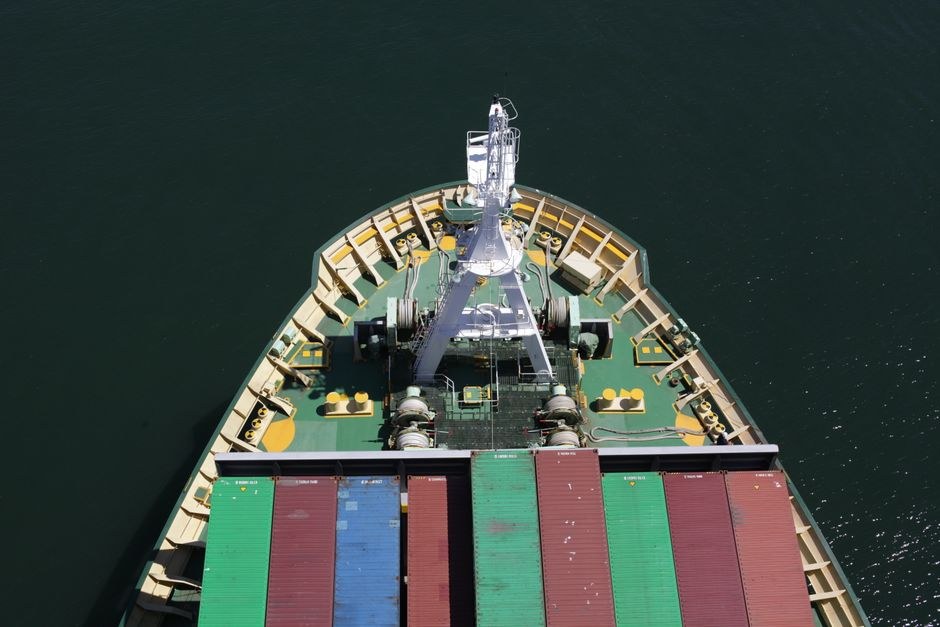
A buyer's comparison of FCL and LCL shipping for slippers from China, covering cost drivers, transit times and when each option makes sense.
For most slipper orders leaving China, the real shipping decision is not carrier or port — it is whether your volume justifies a full container. That choice affects unit cost, transit time, damage risk and how much working capital sits on the water. Shipping slippers from China as FCL or LCL is the first call you make after the order is confirmed, and it is worth getting right before you negotiate anything else.
Below is a practical comparison for importers moving house slippers, based on what actually shows up on quotes and schedules.
How FCL and LCL Actually Differ for Slipper Cargo
In a full container load, you book the whole box — commonly a 20ft or 40ft — and it moves from origin to destination without being opened or consolidated. In a less than container load, your cartons are grouped with other shippers' goods at a consolidation warehouse, then packed into a shared container. You pay for the space you occupy, measured in cubic metres or weight, whichever is greater.
Slippers are light and bulky. A 40ft high-cube can hold a very large number of pairs, and a typical master carton might weigh under 10kg while taking up meaningful volume. That means slipper cargo is almost always charged by volume under LCL rules, and the volumetric ratio works against small shipments. LCL pricing is built on the greater of actual weight or cubic measurement, and slippers lose that comparison nearly every time.
FCL pricing is different in kind. You pay for the container plus fixed origin and destination charges, so the cost per cubic metre falls sharply as you fill the box. A half-empty container is still expensive; a full one is the cheapest way to move slippers by sea, measure for measure.
Transit Times: What You Can Realistically Plan For
Port-to-port sailing time from Ningbo or Shanghai to a US West Coast port is typically measured in weeks, not days. East Coast and inland destinations add more. LCL adds time at both ends — consolidation before departure, deconsolidation after arrival — plus a greater chance of being rolled to a later vessel if the consolidator cannot fill a container.
A workable planning assumption is that LCL adds roughly one to two weeks of total door-to-door time versus FCL on the same lane, though this varies by port, season and carrier schedule. Peak season around Chinese New Year and the autumn pre-holiday rush stretches both options and pushes rates up.
For a first order or a sample-adjacent production run, that extra two weeks is often acceptable. For a seasonal programme tied to a retail launch date, it is not.
The Cost Question Buyers Actually Ask
Rates move constantly, so no article can give you a number that holds. What you can control is the structure of the decision.
- LCL suits volumes below roughly half a container, but the per-cubic-metre rate is high and includes consolidation handling.
- FCL suits full or near-full containers and usually lowers cost per pair once you cross roughly half a container.
- Both attract destination charges — terminal handling, customs clearance, delivery — which often surprise first-time importers.
- Damage and moisture risk is higher with LCL because cartons are handled more and sit in shared space.
Run the comparison on a per-pair landed cost basis, not on the freight quote alone. A cheaper LCL quote can become the more expensive option once you divide freight by the number of pairs actually shipped.
If your freight cost per pair is more than a small fraction of your product cost, the shipping decision deserves as much attention as the factory price.
If you are close to a container threshold, it is often worth adding slow-moving SKUs or core sizes to fill the box rather than paying LCL rates for a partial load. Talk to your house slipper manufacturer about how your order can be built or packed to make better use of a container.
Practical Advice Before You Book
- Decide early. FCL and LCL change your production packing plan, not just your freight booking.
- Ask your supplier for carton dimensions, weights and total volume before you request quotes.
- Get quotes for both modes on the same lane, and model total landed cost per pair.
- Confirm who handles origin charges, customs brokerage at destination and final delivery.
- Build buffer time for LCL — at least two extra weeks for seasonal or launch-critical orders.
- Insure the shipment, especially for LCL, and specify moisture protection if slippers are packed in cartons.
None of this requires a freight forwarder's vocabulary. It requires knowing your target landed cost, your delivery window and your tolerance for handling risk. Get those three clear, and the FCL versus LCL decision usually makes itself.