Slipper Materials Comparison: Cotton, Memory Foam, Plush, and Fleece
A practical comparison of cotton, memory foam, plush, and fleece slipper materials on cost, comfort, durability, and market fit for importers and brand owners.
Buyers who treat slipper materials as a cosmetic choice usually end up with returns. The material decides how the slipper feels on day one, how it looks after ten wears, what it costs per pair, and which customer will pay for it. This slipper materials comparison sets out the four you will be quoted most often — cotton, memory foam, plush, and fleece — and what each one means for your assortment, your margin, and your reorder rate.
Cotton: The Breathable, Lower-Cost Workhorse
Cotton is the material most buyers start with, and for good reason. Woven or terry cotton uppers breathe, wash reasonably well, and sit at the lower end of the cost range. For warm-climate markets, hotel programmes, and everyday retail multipacks, cotton is hard to beat on value.
The trade-off is structure. Cotton compresses and loses shape faster than foam-backed or plush constructions, and cheap cotton can feel thin after a few weeks. If your customer expects a slipper to last a full season of daily wear, specify a denser terry or a cotton upper over a padded insole rather than a single-layer shell.
- Best for: summer ranges, hotel and spa slippers, value multipacks, warm-climate retail.
- Watch: shrinkage after washing, colour fade, and thin single-layer uppers.
- Cost position: generally the lowest of the four, though terry quality varies widely.
Cotton vs Memory Foam Slippers: Where the Comfort Argument Goes
The cotton vs memory foam slippers decision usually comes down to what your customer is buying. Cotton sells on breathability and price. Memory foam sells on the feeling underfoot — that slow sink and rebound that shoppers associate with comfort.
Memory foam is an insole material, not an upper, so most "memory foam slippers" pair a foam insole with a knit, microsuede, or velour upper. The foam grade matters more than the label. Low-density foam feels soft in the shop and flattens within weeks; a higher-density foam with good rebound holds its shape through a season of wear. Ask your factory for the foam density and rebound spec, not just the phrase "memory foam."
On cost, memory foam sits above plain cotton but below premium plush. On market fit, it is the strongest choice for gifting, mid-market retail, and any listing where comfort is the main selling point. It is a weaker fit for hot climates and for buyers who need a washable slipper, since foam inserts do not always survive repeated washing well.
Plush vs Fleece Slippers: Warmth, Hand-Feel, and Price
The plush vs fleece slippers question trips up buyers because the two are often used interchangeably in marketing. They are not the same. Plush is a longer-pile, softer-faced fabric with a luxurious hand-feel; fleece is shorter, denser, and generally more durable. Both are winter materials, but they sell to different customers.
Plush reads as a premium gift: it photographs well, feels indulgent, and supports a higher retail price. Its weakness is matting — long pile compresses where the foot presses and can look worn sooner. Fleece is the more practical winter choice: it holds up better, pills less, and suits repeat-wear retail and family multipacks. Coral fleece and sherpa are common variants with different pile heights and costs.
- Plush: gifting, premium retail, holiday ranges; higher unit cost; watch matting at the heel and ball of the foot.
- Fleece: everyday winter retail, multipacks, colder-climate markets; better durability; lower cost than plush.
Matching Material to Market, Not to Preference
The mistake is choosing a material because it looks good in a sample photo. Work backwards from the customer instead.
- Hotel and spa programmes: cotton or lightweight terry, disposable or washable, low cost per pair.
- Gifting and holiday retail: plush uppers with a memory foam insole — the combination sells well in gift sets.
- Everyday winter retail: fleece uppers, durable outsole, mid-range price.
- Comfort-led mid-market: memory foam insole with a knit or microsuede upper.
- Warm-climate and value retail: cotton, often in multipacks.
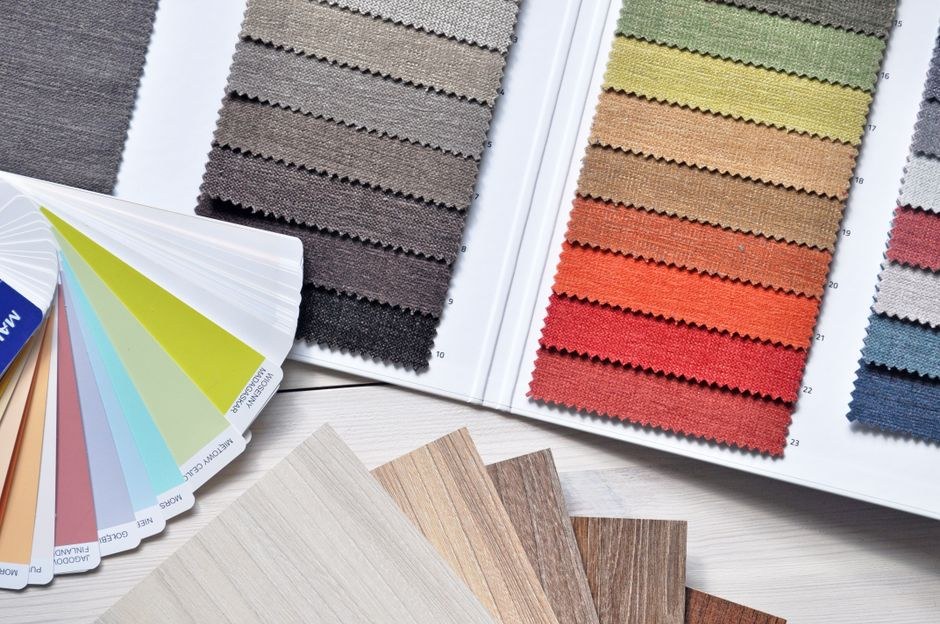
If you are unsure, ask your factory for a small material library — swatches of each upper and insole option — and handle them before you commit a season to one. A material that feels wrong in the hand rarely improves on the shelf.
Practical Advice Before You Place the Order
Lock the material spec in writing before sampling, not after. That means naming the upper fabric and weight, the lining, the insole foam density if memory foam is involved, and the outsole material. Vague briefs produce samples that are technically "plush" but nothing like what you pictured.
Order samples in the exact colourways you plan to sell. Plush and fleece dye differently, and a sample in cream tells you little about how the same fabric behaves in charcoal. Ask how each material performs after washing if your market expects washable slippers — cotton usually wins, foam-backed constructions need checking.
Finally, run a small pre-season test before committing to a full container. Order a modest run of two materials, list them side by side, and let reorder rates tell you which one your customer actually wants. Material preference is regional and often counterintuitive; a season of real sell-through data is worth more than any comparison table, including this one.