Slipper Packaging Design: Cost, Protection and Brand Appeal
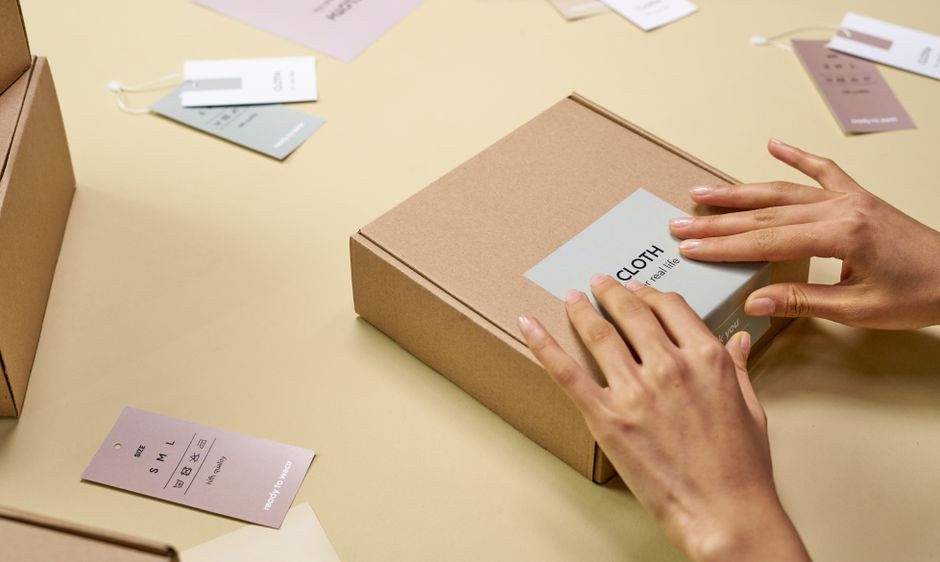
Slipper packaging design is a cost and brand decision. Learn how to balance protection, shelf appeal and per-unit cost without over-specifying your boxes.
Most buyers overspend on slipper packaging design in one of two ways: they either accept the factory's default poly bag and wonder why the product looks cheap on shelf, or they specify a rigid box with foil stamping before they know what the box has to survive. Both are expensive mistakes. The right packaging sits at the intersection of protection, brand and landed cost, and it is decided with the factory, not after the fact.
Start with protection, then design the slipper box design
Packaging has one non-negotiable job: the slippers arrive in saleable condition. Everything else is negotiable. Before you choose a colour or a finish, work out what the box has to withstand: container humidity, compression from stacking, and the handling in a distribution centre. A folding carton with a corrugated insert is usually enough for retail; a poly bag inside a carton is fine for e-commerce if the slippers are not crushed.
Ask the factory for the transit test they run on packed cartons. If they cannot describe one, that tells you something about their export experience. The cost of a heavier board or a better insert is almost always less than the cost of a container of dented boxes and compressed foam.
Where slipper packaging cost actually comes from
Buyers often compare quotes on the box alone and miss the cost drivers around it. Slipper packaging cost is made up of four things: the structure (bag, folding carton, rigid box), the print method and number of colours, the inserts and extras, and the packing labour. A rigid box can cost several times a folding carton before you add print, and a magnetic closure adds both cost and weight, which you pay for again in freight.
Here is how the trade-offs usually stack up:
- Structure: poly bag is cheapest, folding carton is the retail default, rigid box is for gifting and premium tiers.
- Print: one-colour flexo on kraft is inexpensive; four-colour offset plus spot UV or foil moves you into a different bracket.
- Inserts: a simple tissue wrap is cheap; a moulded pulp or EVA insert protects shape but adds tooling and unit cost.
- Labour: hand-assembled gift sets and ribbon ties are slow, and slow means expensive at volume.
Ask for the packaging cost broken out per unit and per carton, not folded into the FOB price. You cannot negotiate what you cannot see.
Design for the channel, not for the mood board
A box that looks right in a render can fail in the channel it was built for. If you sell through a mid-size supermarket chain, the box needs a stable shelf presence, a clean barcode panel, and a window or image that reads from two metres away. If you sell online, the box has to survive a parcel network and probably a returns journey; a rigid box with a magnetic flap is often the wrong answer because it scuffs and weighs too much.
For hospitality buyers, the packaging is usually a poly bag or a simple paper band, and the money is better spent on the slipper itself. For gift sets, the box is part of the product and can carry a higher cost, provided the unboxing is genuinely better. Decide which of these you are before the designer starts.
Practical decisions that keep cost and brand aligned
Once the channel is clear, the choices narrow. Use the same board grade across a size run so the printer's setup cost is amortised. Keep the number of print colours modest and let one strong graphic do the work. Specify the barcode and regulatory text early; adding them later forces a new plate or a sticker, and stickers look like an afterthought.
If you are building a private label programme, ask the factory which box sizes they already tool for. Adapting an existing die line is far cheaper than a new one, and at low MOQ it can be the difference between a viable launch and a shelved idea. Keep packaging dielines and artwork with your tech pack so a reorder does not start from zero.
What to do before you approve the packaging
Approve packaging the same way you approve the slipper: with a physical sample and a clear brief. Ask for a packed carton, not just a flat box, and check how the slippers sit inside, whether the box closes cleanly, and whether the print is registered. Weigh it. A heavier box costs more to ship on every order for the life of the product.
Get the per-unit packaging cost in writing and confirm what triggers a change: a new print colour, a different insert, a lower order quantity. Then run a small drop test or ask the factory to show you theirs. If the packaging passes, lock the specification into your purchase order so reorders match.
A good packaging decision is boring in the best way: it protects the product, supports the price point, and does not surprise you at the freight invoice. Start from protection, cost the structure honestly, and design for the channel you actually sell in.