Slipper Sole Materials: EVA vs Rubber and TPU Compared
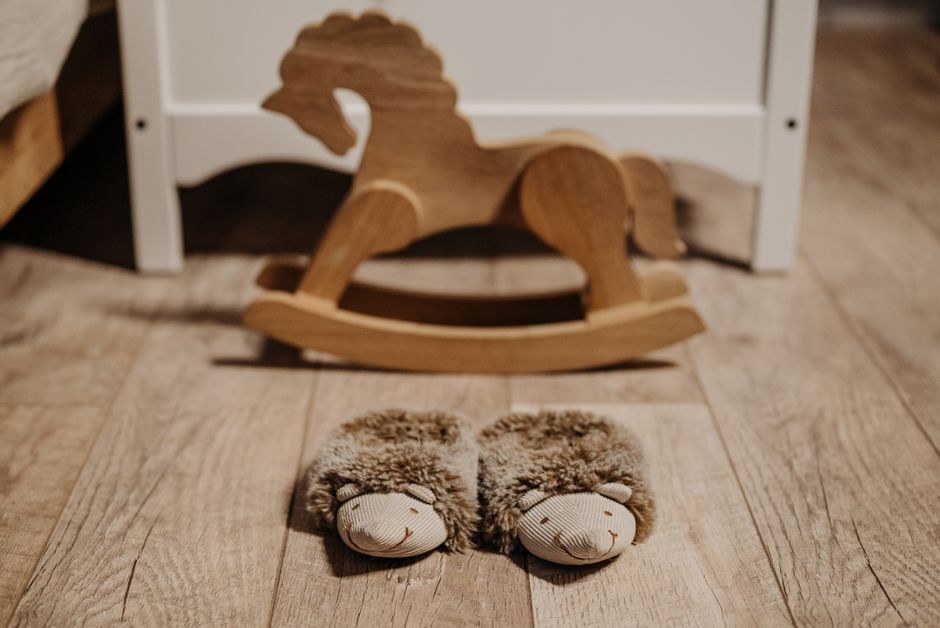
Compare EVA, rubber, and TPU slipper sole materials for grip, durability, weight, and cost. Make smarter sourcing decisions for your slipper line.
Most slipper returns I see start at the bottom, not the top. The upper looks fine, the foam feels good in the hand, but the sole slips on a tiled floor or wears through in a season. If you are sourcing slipper sole materials, the choice between EVA, rubber, and TPU is not a technical detail for the factory to settle. It decides your return rate, your review score, and whether a reorder happens.
This is a practical comparison from the buyer's side of the table. No material is best for everything. The right pick depends on where the slipper will be worn, what it will be worn on, and what your customer expects to pay.
EVA soles: light, cheap, and limited
EVA is the default for volume slippers — hotel slippers, promotional pairs, entry-level retail. It is a foamed material, so it is light and cushioned, and the tooling cost is low. That is why EVA pairs can hit very low wholesale prices and why they are easy to pack and ship.
The limits show up in use. Standard EVA is soft, so it abrades quickly on rough surfaces like concrete or stone. It also gets slippery when wet unless the factory adds a textured tread or a rubber grip patch. If you are selling into a market where slippers are worn on stairs or in bathrooms, plain EVA is a risk.
Where EVA works: hospitality and spa programs where the slipper is used for a short stay and then discarded, and low-price retail where the customer expects a light indoor slipper. Ask for a shore hardness spec and a tread pattern; those two details separate a usable EVA sole from a slip hazard.
EVA vs rubber soles: grip and durability vs weight and cost
The EVA vs rubber soles decision is the one most buyers face. Rubber is heavier and more expensive, but it grips better on wet surfaces and resists abrasion. A rubber outsole on an indoor slipper is overkill for many programs, but for slippers worn on tile, in kitchens, or outdoors to collect the mail, it is the safer choice.
Rubber also holds a tread pattern better over time. EVA treads flatten as the foam compresses; rubber treads stay defined. That matters for non-slip claims, because a worn tread is a worn non-slip sole.
The trade-off is cost and weight. Rubber adds to the pair weight, which affects freight, and it adds to the unit cost. For a mid-range retail slipper, a common compromise is an EVA midsole for cushioning with a rubber outsole for grip. That construction costs more than plain EVA but less than full rubber, and it gives you a defensible non-slip story for your product page.
Rule of thumb: if the slipper will ever touch a wet bathroom floor, do not approve the sole on a dry showroom sample. Test it wet, on tile, with the actual upper attached.
TPU slipper soles: where the extra cost pays back
TPU slipper soles sit between EVA and rubber in many respects, but with one clear advantage: TPU can be molded thin and precise while staying tough. It resists abrasion well, does not yellow as readily as some rubber compounds, and takes a sharp tread definition. For a slipper positioned as premium or technical — think memory foam comfort slippers at a higher price point — TPU gives a cleaner look and a more durable wear surface than EVA.
TPU is not a universal upgrade. It is stiffer than EVA, so it needs the right midsole underneath or the slipper feels hard. It also costs more than EVA, and tooling for a molded TPU sole is a real investment. If your order volume is modest, that tooling may not amortize. Ask the factory to quote the tooling separately so you can judge whether the volume supports it.
Where TPU makes sense: premium indoor slippers, slippers with a fashion-forward sole profile, and programs where the sole is part of the brand look rather than just a base.
How to compare sole materials on a sample
Do not rely on the factory's description. Test the sample against the conditions your customer will create:
- Wet tile test: wet the sole and the floor, then try to push the slipper forward with your foot. Note whether it slides.
- Abrasion check: rub the sole on rough concrete for a minute. EVA will show wear quickly; rubber and TPU should hold.
- Flex test: bend the sole back on itself. Cracks at the flex point signal a material or molding problem.
- Weight check: weigh a pair. If freight is tight, a heavier rubber sole may erase your margin.
- Hardness spec: ask for the shore hardness of the sole compound in writing. It is the single number that predicts feel and wear.
Also ask for the sole material spec on the tech pack, not just in email. If the spec is not written down, the production run may substitute a cheaper compound that looks the same in photos.
What to specify before you place the order
Once you have chosen the material, lock down four things: the compound (EVA, rubber, TPU, or a combination), the shore hardness, the tread pattern depth, and the bonding method between sole and upper. Bonding failures are a common source of returns, and they are invisible in a dry showroom.
Price the options side by side before you commit. Ask your supplier for quotes on plain EVA, EVA with a rubber outsole, and TPU for the same upper. The gap tells you what the upgrade costs per pair, and you can weigh that against your target retail price and return budget.
Finally, match the sole to the market. Hotel programs value light and cheap; retail values grip and durability; premium lines value appearance and longevity. A sole that is right for one is wrong for another. Get the spec in writing, test it wet, and treat the sole as a cost line you control — not a detail the factory decides for you.