Slipper Shipping China: Avoiding Port Delays and Import Customs Holds
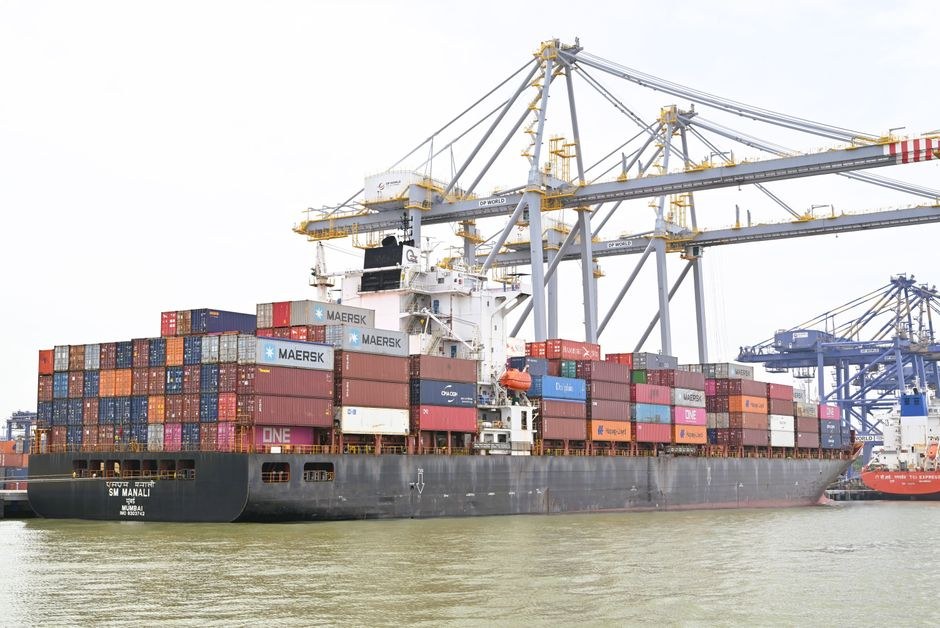
Learn how to prevent costly shipping delays and customs holds for slipper imports from China, with practical checks for documentation, packing and routing.
Slipper shipping China is not inherently slow, but many importers still lose weeks because of avoidable mistakes. A shipment stuck at port or held by customs does more than delay a seasonal programme. It locks up cash, forces expensive airfreight or leaves shelves empty. The causes usually trace back to the factory, the documentation or the routing decision, not bad luck. Treat those three as one system and most delays disappear.
This article assumes you already know the basics of ocean freight. It focuses on what is specific to slippers: bulky cartons, low-value high-volume cargo, fabric and foam that attract scrutiny, and seasonal windows that leave little tolerance for holds. We also cover what to do when things go wrong, so you can protect margin and relationships.
Documentation errors that cause import customs delays
Import customs delays often start with paperwork. Slippers are a simple product, but that does not make the file simple. Three recurring problems deserve your attention before the container leaves Ningbo.
HS classification is the first. Footwear and textile slippers can sit under different codes, and the wrong code invites examination. Get the correct HS code in writing from the factory, then have your broker confirm it. Match the description to the code, especially if the slipper is part fabric and part plastic sole.
The second issue is packaging details in declarations that do not match physical cartons. Slippers are often packed in inner boxes and then bundled into master cartons. If the declaration lists pairs per carton incorrectly, customs can question the whole consignment.
The third is missing or inconsistent factory details in commercial invoices. Addresses, company names and invoice totals must line up across purchase order, invoice, packing list and bill of lading. Even a misspelt consignee name can trigger a hold. Prepare a document checklist and check it against the factory's draft set two weeks before cargo readiness. A small extra check at origin costs hours; a hold at destination costs days.
Port congestion slippers: how slipper cargo gets caught in the backlog
Port congestion slippers volumes are seasonal, and that seasonality is the problem. Slipper orders cluster ahead of autumn and winter. At those peaks, warehouses in Ningbo and destination ports fill up, and carriers start rolling containers.
Bigport issues get the headlines, but congestion happens at the inland terminal too. Slippers are bulky and generally lighter than dense cargo, so they occupy more container space per tonne. If a booking is confirmed late, the factory may miss the equipment window. If the carrier rolls the container, the vessel date moves by a week or more.
To reduce exposure, avoid booking in the worst week of the month if you can. Reserve space earlier than you think necessary during August to October. Ask the factory which port and depot they use, because some inland terminals recover faster from backlogs. Especially, keep the option to re-route: if a port is congested, shifting the booking to an adjacent gateway can be cheaper than waiting.
Supply chain pressure and port backlog are partly outside your control, but you can choose how much notice you give yourself. Track the gate-in date, not just the vessel ETA. By the time the vessel sails, the causes are already several weeks behind you.
Packing and cargo handling problems that hold up slipper shipments
Slipper-specific packaging faults cause surprise inspections and damage claims. Foam and plush uppers compress under weight and can discolour in damp conditions. If yoursqueeze too many pairs into a carton, the carton may bulge, making it prone to damage and harder to handle. Damaged cartons are examined more often, which means longer waits. Consult your supplier on carton strength and stowage before the first order.
Moisture is another common cause of rejection. Slippers are soft goods, and they attract mould if they spend weeks in a humid container. Desiccant sachets and breathable liners are cheap insurance. In any case, require the factory to inspect the cartons for pest activity, wetness and odour. Supply to hygiene-sensitive buyers, such as hotels, and you will want extra care with storage during production.
- Confirm carton dimensions and net weight against the packing list.
- Require photo evidence of container loading, with cartons closed and no excess movement.
- Set a loss-price line for split or short-packed cartons.
If the shipment is LCL, one more problem appears: your cargo gets consolidated with other shippers at a freight station. A single damaged carton in the shared container can cause a hold while the remainder is examined. Note that LCL shipments for slippers are common and rarely cost more than FCL until you exceed a certain volume. Still, when your order is ready to move from consolidations, make backup inventory checks.
Preventing customs holds with correct product compliance
Customs holds are not only about paperwork. Compliance requirements for slippers vary by destination. The US and EU have rules on textile labelling, chemical content and sometimes flammability. Hotel and spa slippers sold as medical or protective products may face extra rules. Before you book freight, confirm with your broker whether your buyer requires a test report or a certificate of origin to clear customs.
Do not rely on the factory's generic certificates if your buyer has specific needs. Ask the factory to send copies of test reports for the exact materials being used, and check the report date and the test standard. Catch a problem when the factory is still producing, not when the container reaches the destination port.
The bill of lading is where this goes wrong most often. Informational mismatches between booking, bill of lading and invoice make customs think there is a lower declared value. That investigation can last beyond your delivery window. Keep a table of every change and send the carrier the final manifest details yourself if possible.
If a hold happens, act quickly and keep records
First, get the reason in writing from your broker. Is it a documentation question, a random inspection, or a compliance issue? The response time and the cost are different for each. Ask for a reference number and make sure the factory is copied in, because they may need to answer questions about production or purchase matching.
Second, do not buy demurrage. Use the online container tracker and chase the carrier for the gate-out window. On congested routes, the detention charges can exceed the product value if left unattended. Holding one slipper margin is enough; another week of storage can wipe it out.
Third, when the issue is resolved, ask the broker to keep a copy of the cleared manifest. Use it to review what triggered the inspection at origin. Was the HS code wrong? The value too low? The label ambiguous? Add that answer to the checklist for the next order. In this way you turn a bad experience into a prevention step.
Finally, consider spreading risk with staggered shipments. Two smaller sailings are less disastrous than one large hold, even if the freight per pair is slightly higher. In slipper imports, schedule reliability has a price, and you should know it before you compare quotes.
Practical steps for a slipper import that clears on time
- Build a document twin. Keep an approved template of invoice, packing list and bill of lading. Have your broker review it before booking.
- Book early for peak season. Reserve space eight weeks before cargo readiness if you ship between August and November.
- Confirm the HS code and compliance file six weeks before departure. Do not accept generic copies.
- Require loading photos and stress test your cartons with the factory. Do not let box counts be guessed.
- Track the container, not the ship. Monitor gate-in, vessel loading and gate-out to build in a contingency.
- Stagger volumes across two bookings if the season allows. Cost per pair may rise slightly, but risk falls.
- Agree who pays for a hold before you sign, because customs and port delays are shared costs, not accusations.
Good slipper shipping China performance is not about finding lower rates. It is about removing the predictable reasons for a delay. The factory that can give you clear documentation, consistent packing and fast answers is worth a small premium over a cheaper one that leaves you chasing containers. Do the review today, because the seasonal calendar never waits.