Slipper Shipping FCL LCL: Choosing the Right Container Method
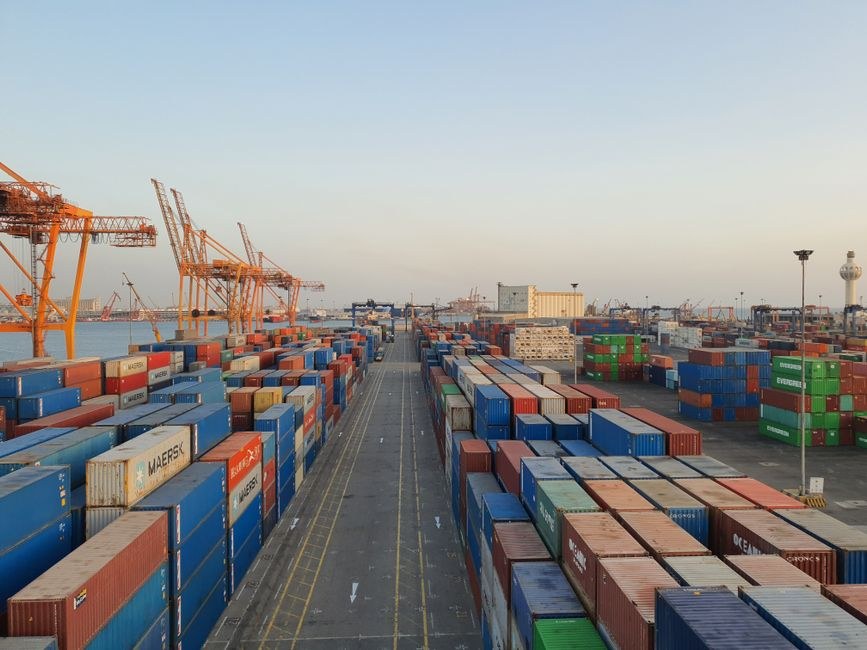
A buyer's guide to slipper import logistics: compare FCL and LCL for cost, transit time, and risk, and learn how to choose the right method.
Choosing between FCL and LCL for your slipper orders is not a matter of habit—it's a calculation that affects your landed cost, your shelf availability, and your exposure to damage. I've seen buyers default to LCL because their first order was small, then keep using it long after their volumes justified a full container. The opposite mistake happens too: booking a 40HQ when a 20GP would do, then paying for air they don't need.
Here's how to think about slipper shipping fcl lcl decisions without getting lost in freight jargon.
The Real Difference Between FCL and LCL for Slippers
FCL means your cargo fills a container—or at least occupies it exclusively. LCL means your cartons share space with other shippers' goods. For slippers, the distinction matters because slippers are light but bulky. A container fills by volume long before it hits weight limits, so your cost per pair is driven by cubic meters, not kilograms.
That bulk profile changes the usual advice. In many product categories, LCL is a natural stepping stone. In slippers, LCL often loses its advantage sooner because you're paying for space that could be yours alone.
When LCL Makes Sense—and When It Stops Making Sense
LCL is the right call when you're testing a new style, replenishing a fast seller, or shipping a mixed order from a factory that consolidates. Say a mid-size online retailer wants 800 pairs of memory foam slippers for a spring launch—LCL lets them move without committing to a full container.
But watch the break-even point. Once your volume approaches roughly half a 20GP, the math starts to tilt. LCL charges include origin handling, destination handling, and consolidation fees that don't scale down. You also share space with cargo you can't control: heavier goods can crush cartons, and other shippers' documentation errors can delay the whole container.
- Use LCL when: order volume is small, you need a quick top-up, or you're testing a market.
- Switch to FCL when: your cartons fill about half a 20GP or more, your delivery windows are tight, or your product is prone to compression damage.
Transit Time, Risk, and Slipper Import Logistics
Slipper import logistics is not just about freight rates. LCL adds transit days at both ends: waiting for consolidation, waiting for deconsolidation. In peak season, that can add a week or more. FCL moves on a direct schedule and clears as a single shipment.
Risk also differs. Slippers are soft goods, but they still suffer in shared containers—moisture from other cargo, rough handling during unload, and the occasional pilferage. FCL keeps your cartons sealed from factory to warehouse. If your brand sells on tight replenishment cycles or you're supplying hotel groups with fixed delivery dates, that predictability is worth paying for.
Container shipping slippers also invites a common oversight: packaging efficiency. A well-packed carton can reduce your container count by a meaningful margin. Ask your factory for a carton loading plan before you book—it's the cheapest freight optimization available.
How to Decide for Your Next Order
Run the numbers, but don't run them in isolation. Compare the all-in cost per pair for LCL versus FCL, including origin fees, destination fees, and the working capital tied up in longer transit. Then weigh the non-cost factors: delivery reliability, damage risk, and how quickly you need to restock.
- Calculate your total carton volume and compare it to container capacities. A 20GP holds roughly 28 cubic meters; a 40HQ about 68. Your factory should provide this.
- Get quotes for both LCL and FCL from your forwarder, including all surcharges.
- Estimate the cost of a one-week delay in your sales cycle—if it's high, FCL wins.
- Consider consolidating multiple styles into one FCL if you can forecast demand across your range.
Practical Advice for Your Next Shipment
Don't treat FCL versus LCL as a permanent identity. Re-evaluate each order against your actual volume and calendar. If you're unsure, ask your factory for a carton loading plan and your forwarder for a side-by-side quote—then decide with the numbers in front of you. And if you're still small, use LCL deliberately, not by default: keep a running tally of when a full container would have been cheaper.