Slipper Shipping FCL LCL: Guide to Transit Times and Costs
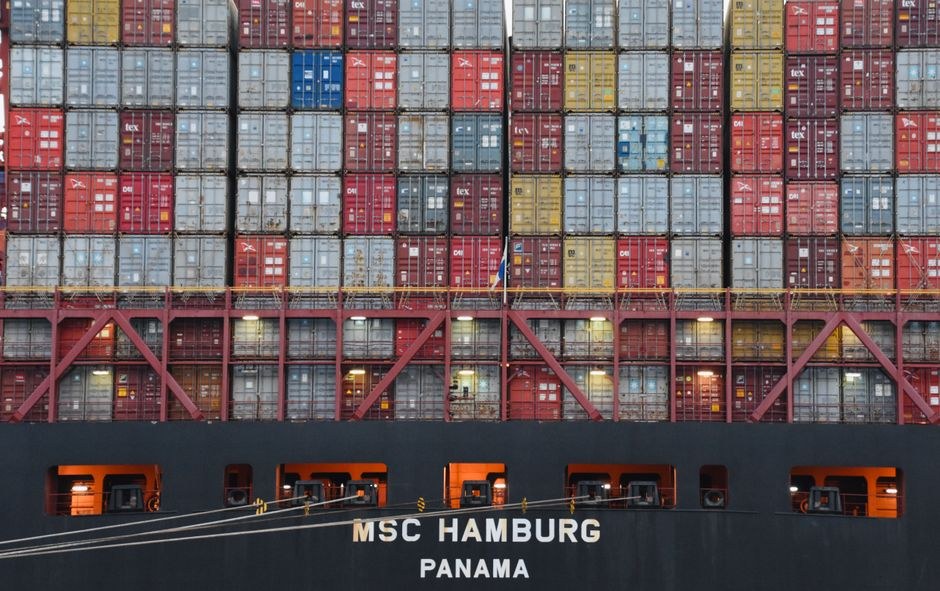
Compare FCL and LCL for slipper imports from China. Understand transit times, cost trade-offs, and practical advice to choose the right method for your order.
Most buyers obsess over the per-pair factory price and then lose the margin on freight. The choice between FCL and LCL is where that happens. If you are shipping slippers from China, the decision is not just about cost per cubic meter; it is about how much risk, handling, and time you can absorb. This guide gives you a clear framework to decide, without sales talk.
FCL vs LCL: The Core Trade-off in Slipper Shipping FCL LCL
Full container load (FCL) means your cargo fills a container—usually 20ft or 40ft—and you pay for the whole box. Less than container load (LCL) means your cartons share space with other shippers' goods in a consolidated container. For slippers, which are lightweight but bulky, the trade-off is rarely about weight; it is about volume and handling.
FCL gives you a sealed container from origin to destination. That reduces handling, cuts damage risk, and often speeds up port clearance because there is only one consignee. LCL involves multiple touches: your cartons are loaded at a consolidation warehouse, unloaded at the destination CFS, and sorted. Each touch is a chance for crushed cartons or missing pieces.
On cost, LCL looks cheaper for small volumes because you pay only for the space you use. But once your volume approaches 15–18 cubic meters, the math often flips: the fixed charges for LCL—documentation, CFS handling, destination fees—start to outweigh the savings. For slippers, a 20ft container might hold roughly 6,000–8,000 pairs depending on packaging, which is well above typical LCL thresholds.
What Drives Transit Times for Slipper Transit Times
When buyers ask about slipper transit times, they usually mean port-to-port sailing. But the real door-to-door time includes booking, consolidation, sailing, customs clearance, and final delivery. Sailing time from Ningbo to Los Angeles might be around 14–18 days; to Rotterdam, 30–35 days. Those are typical ranges, not guarantees—carrier schedules, port congestion, and weather all move the needle.
LCL adds time at both ends. Consolidation can add 3–7 days before your cargo even sails, because the freight forwarder waits to fill the container. At destination, deconsolidation can add another 3–7 days before your goods are available for pickup. So a 16-day sailing can easily become 30 days door-to-door. FCL is more predictable: once the container is loaded and sailed, you can plan the arrival with fewer unknowns.
For seasonal slippers—say, a winter plush line that must hit shelves in October—those extra weeks matter. If you are ordering late, LCL can push you into peak season surcharges or missed sales windows. FCL gives you a tighter, more controllable timeline.
Cost Comparison Beyond the Freight Quote
Freight quotes are misleadingly simple. A forwarder might quote you a per-cubic-meter rate for LCL, but the final invoice will include origin charges, destination charges, customs brokerage, and possibly waiting fees at the CFS. FCL quotes also have hidden costs—terminal handling, chassis, demurrage if you are slow to pick up—but they are fewer and more predictable.
Here is a practical way to compare:
- Calculate total landed cost per pair for each option, not just the ocean freight. Include all fixed fees.
- Factor in damage and shrinkage. LCL handling can crush slipper cartons; damaged goods mean markdowns or replacements.
- Consider cash flow. FCL ties up more capital in one shipment; LCL lets you spread orders, but you pay for that flexibility.
- Check destination fees. Some ports have notoriously high LCL destination charges that can double your expected cost.
For a mid-size importer, a 20ft container of slippers might cost only 20–30% more in ocean freight than an equivalent LCL shipment, while carrying 2–3 times the volume. That is why many buyers consolidate their slipper orders to reach FCL volume.
Container Shipping Slippers: Practical Rules of Thumb
When you are container shipping slippers, a few rules keep you out of trouble. First, know your carton dimensions and how they stack. Slippers are often packed in polybags or boxes, then in export cartons. The carton size and stacking strength determine how many units fit in a container and whether they will survive the journey.
Second, consider loading efficiency. A 40ft high-cube container gives you more vertical space, which suits lightweight, bulky slippers. A 20ft container is easier to fill to capacity and often used for trial orders or mid-volume runs. If you are shipping a mixed SKU order—say, cotton, memory foam, and hotel slippers—you can still use FCL as long as the total volume justifies it.
Third, plan for palletization versus floor loading. Floor loading (cartons stacked directly) maximizes space but takes longer to unload and may require more labor at destination. Pallets are faster but reduce usable volume by roughly 10–15%. For slippers, which are relatively light, floor loading is common, but check with your warehouse.
Finally, book early. Peak season—typically August to October for winter goods—fills containers fast. If you wait, you may face rolled bookings or premium rates. Locking in space 6–8 weeks before your cargo is ready is a simple habit that pays off.
Making the Call: When to Choose FCL or LCL
There is no universal answer, but you can use volume as a starting point. If your shipment is under 10 cubic meters, LCL is usually the practical choice. Between 10 and 15 cubic meters, run the numbers carefully—LCL can still work, but fixed fees weigh heavily. Above 15 cubic meters, FCL almost always wins on cost per pair, and the gap widens as volume grows.
Beyond volume, consider your sales pattern. If you replenish frequently with small batches, LCL gives you flexibility—but you pay for it in handling and time. If you can forecast demand and commit to larger orders, FCL rewards you with lower unit costs and more predictable arrivals. For private-label slippers where packaging is customized, FCL also reduces the risk of cartons being crushed or mixed up in a consolidation warehouse.
My advice: model both options with real quotes, including all fees, and compare landed cost per pair. Then ask your forwarder for a realistic door-to-door transit time for each, not just sailing days. If the difference in cost is small, choose FCL for the predictability. If volume is genuinely low and you need to test a market, LCL is a sensible start—but plan to graduate to FCL as your volumes grow. And whatever you choose, build a buffer into your schedule; slipper shipping FCL LCL is rarely as fast as the best-case quote suggests.