Slipper Shipping FCL LCL: Which Container Method Fits Your Order
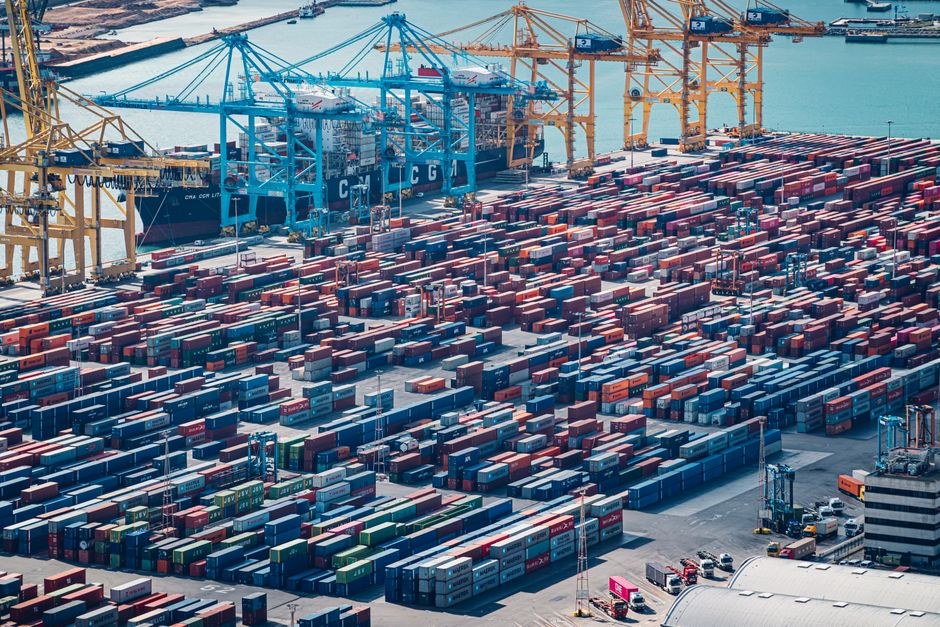
Compare FCL and LCL for slipper shipping from China: cost, transit time and risk trade-offs, plus when each method makes sense for importers.
Slipper shipping is where a good factory quote can quietly turn into a bad landed cost. Choose the wrong container method and you either pay for air you did not need or wait weeks for a consolidation that could have been avoided. The decision between slipper shipping FCL LCL comes down to volume, timing and how much handling risk you are willing to absorb.
What FCL and LCL actually mean for slippers
FCL — full container load — means your cartons fill a 20ft or 40ft container and the box is sealed at the factory. LCL — less than container load — means your shipment shares a container with cargo from other shippers, consolidated at a warehouse near the port.
Slippers are a awkward LCL cargo. They are bulky relative to value, they compress, and cartons are light enough to be stacked under heavier goods if the consolidator is careless. In an FCL, those cartons travel from your factory to your warehouse untouched. In LCL, they are unloaded, sorted, re-stacked and reloaded at least twice.
Cost trade-offs: when LCL stops being the cheaper option
LCL pricing is quoted per cubic metre with minimum charges, and those minimums punish small shipments. Below roughly 8–10 cubic metres, LCL usually wins on pure freight cost. Above that, the gap narrows quickly, and somewhere around 15 cubic metres the arithmetic often flips in favour of a 20ft container.
The reason is that LCL charges scale with volume, while an FCL is a fixed price for the box. Add destination charges — LCL typically attracts a destination handling fee, a documentation fee and sometimes a port surcharge that FCL does not — and the headline LCL rate often understates the real cost. For container shipping slippers, the calculation that matters is landed cost per pair, not freight per cubic metre.
- Under 8 CBM: LCL is usually the sensible choice; the volume does not justify a box.
- 8–15 CBM: model both, and include destination fees and the cost of your time managing consolidation.
- Over 15 CBM: a 20ft FCL is usually cheaper and far simpler to schedule.
Transit time and the reorder calendar
An FCL moves on a fixed sailing schedule: book, load, sail, arrive. LCL adds a consolidation window of several days on each end, and if your cargo misses the consolidation cut-off it waits for the next one. For seasonal slipper lines — winter plush, hotel programmes tied to a property opening — that variability is the real cost.
If you run a reorder cycle, FCL gives you a date you can plan a promotion around. LCL gives you an estimate. That does not make LCL wrong; it makes it a tool for top-up orders where a week of drift does not break your shelf plan.
Damage, handling and inspection risk
Every additional hand that touches a carton is a chance for a crushed corner or a split poly bag. Slipper cartons are light and easy to stack badly. In LCL, shared containers also mean shared liability: if another shipper’s cargo leaks or shifts, your goods are in the same box.
FCL keeps chain of custody clean. Your factory loads, seals, and the seal is checked at destination. When you are shipping private-label slippers with printed boxes that cannot be replaced locally, that control is worth paying for.
If you do ship LCL, insist on:
- Photographs of the loaded pallets at the consolidation warehouse.
- A clear marking of “do not stack” if cartons are compression-sensitive.
- A pre-shipment inspection at the factory before cartons leave, not at the port.
How to decide: FCL vs LCL slippers in practice
Decision-making on fcl vs lcl slippers should follow your order book, not habit. A simple rule: if a shipment is a planned program order with a fixed in-store date, quote FCL first and only fall back to LCL if the savings are material. If it is a sample run, a small hotel order or a mid-season top-up, LCL is fine.
Two practical moves pay off. First, ask your factory for a carton loading plan with actual CBM per carton so you can size the shipment rather than guessing. Second, ask your forwarder for both quotes including destination charges — not just the ocean freight line.
Freight is the cheapest part of a bad decision. A missed launch date or a container of crushed gift boxes costs more than any rate difference.
Closing advice for your next slipper shipment
Run the landed-cost-per-pair calculation before you book, not after. If you are near the 15 CBM threshold, ask whether combining two shipments gets you into a 20ft container — consolidation inside your own supply chain beats consolidation at a warehouse you do not control. For recurring programmes, negotiate annual FCL rates with one forwarder and keep LCL as a fallback lane for exceptions. And whatever you choose, build a buffer into the first shipment of any new product: the routing is least predictable when the cartons are least familiar.