Slipper Sole Materials: EVA, Rubber and TPU Compared for Grip
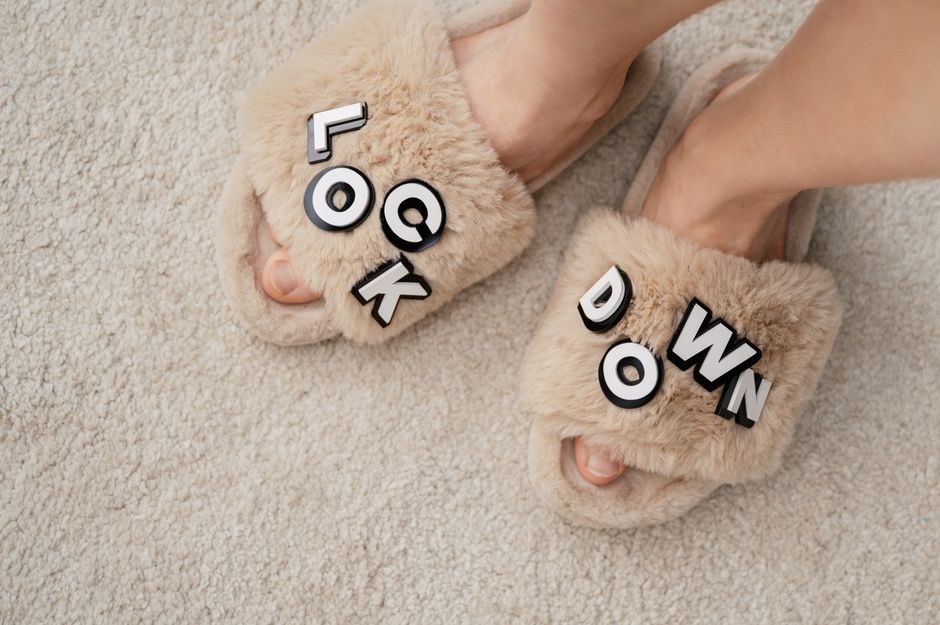
A buyer's comparison of slipper sole materials — EVA, rubber and TPU — covering grip, durability, cost and how to specify the right outsole for your market.
The outsole is the cheapest place to save money and the fastest place to lose a customer. A pair that slides on a wet bathroom tile or wears through in six weeks does not come back as a return — it comes back as a review. When you compare slipper sole materials, you are really deciding which failure mode you can live with. EVA is light and inexpensive but slick when wet; rubber grips but adds weight and cost; TPU sits between them and costs more than most buyers expect. Most successful programmes use more than one material across the range rather than picking a single winner.
EVA vs rubber slippers: what each material does well
EVA is a foam, not a rubber. It is moulded, lightweight and cheap to tool, which is why it dominates entry-price house slippers and hotel disposables. Its weakness is surface behaviour: a plain EVA bottom on a wet tile floor is closer to a skating rink than a safety feature. Textured EVA improves this meaningfully, and a defined tread pattern is worth paying for if your market includes bathrooms or tiled kitchens. EVA also compresses over time, so density matters — a low-density sole feels soft in the sample and flat in the shop six months later. Ask your supplier what density they are quoting rather than accepting "standard" as an answer.
EVA vs rubber slippers is the comparison most buyers start with, and the honest answer is that rubber earns its cost in wet or hard-floor markets. Rubber outsoles, whether natural or synthetic blends, give predictable wet grip and resist abrasion for years. They are heavier — noticeable on a size 44 — and they cost more per pair. For a supermarket chain selling to older customers on tiled floors, that extra cost is cheap insurance. For an airline amenity kit or a budget e-commerce listing, it is wasted money.
Where TPU slipper soles fit in the range
TPU is the material buyers ask about when they want grip without rubber's weight. It is a thermoplastic polyurethane, moulded into thin, tough outsoles that handle abrasion well and can be finished with a fine tread. On hard flooring, a well-designed TPU outsole performs close to rubber. The catch is cost and tooling: TPU soles usually need their own mould, and small runs carry that tooling cost per pair. If your order is a few thousand pairs, the amortised tooling can add more to the unit price than the material itself.
TPU also behaves differently in cold conditions. In a warehouse in northern Europe in January, a thin TPU sole stiffens; rubber stays more flexible. If you sell into cold climates, sample the sole in a cold room or at least ask the factory how the grade behaves below zero. A sole that cracks at the flex point in winter is a warranty problem, not a design preference.
Matching sole material to the sales channel
The right choice depends on where the slipper is sold and how it will be used, not on which material is "best". A useful way to think about it:
- Hotel and spa programmes: low-density EVA with a textured bottom is the standard compromise — light, packable, acceptable grip for carpeted rooms. Specify a tread pattern and a density floor so the pair does not feel flat on day two.
- Supermarket and pharmacy retail: rubber or a rubber-EVA hybrid for wet-area safety. The customer is often older and the floor is often tile. Textured EVA can work at a lower price point if you test it wet.
- Premium and gift retail: TPU soles with a clean sidewall read as a better product and justify a higher shelf price. Budget tooling into the first order.
- E-commerce and drop-ship: weight drives freight cost. EVA keeps cartons light; a rubber sole on a heavy size run can move you into a different freight bracket.
The mistake is ordering one sole for the whole range because it simplifies the purchase order. Splitting the range by channel costs a little management time and usually pays for itself in fewer returns.
A specification checklist before you approve tooling
Sole problems are expensive after tooling is cut and cheap before. Work through this list with your factory while the design is still a drawing:
- Name the material and the grade, not just "EVA" or "TPU". Density, hardness and flex behaviour should be written on the spec sheet.
- Define the tread. A photo of the pattern is better than a description; a sample sole is better still.
- Test wet grip on the actual floor type your customer uses — tile, laminate, stone. Ask for a slip test result if your market requires one.
- Check the flex point. Bend the sample sole repeatedly at the ball of the foot; look for cracking or whitening at the fold.
- Confirm the bond between sole and upper. A sole that peels at the toe is the most common field failure and usually a bonding issue, not a material one.
- Weigh the finished pair. Freight is priced on weight, and a few grams per pair multiplies across a container.
What to do next with your supplier
Ask for three sole samples on the same upper: textured EVA, rubber and TPU. Wear each for a week on the floors your customers actually have, and weigh them. Then price the full order including tooling, not just the unit cost — the cheapest sole per pair can be the most expensive order once moulds are amortised.
If your volumes are small, ask whether the factory has an existing TPU or rubber sole mould close to your design before committing to new tooling. If you sell into multiple channels, split the range and specify each sole against its use. And put the material grade, tread pattern and flex requirement in writing before the tool is cut. That single page is what protects you when the second production run arrives and someone at the factory has substituted a cheaper compound.