Slipper Sourcing Contract Clauses: 5 Terms That Protect Buyers
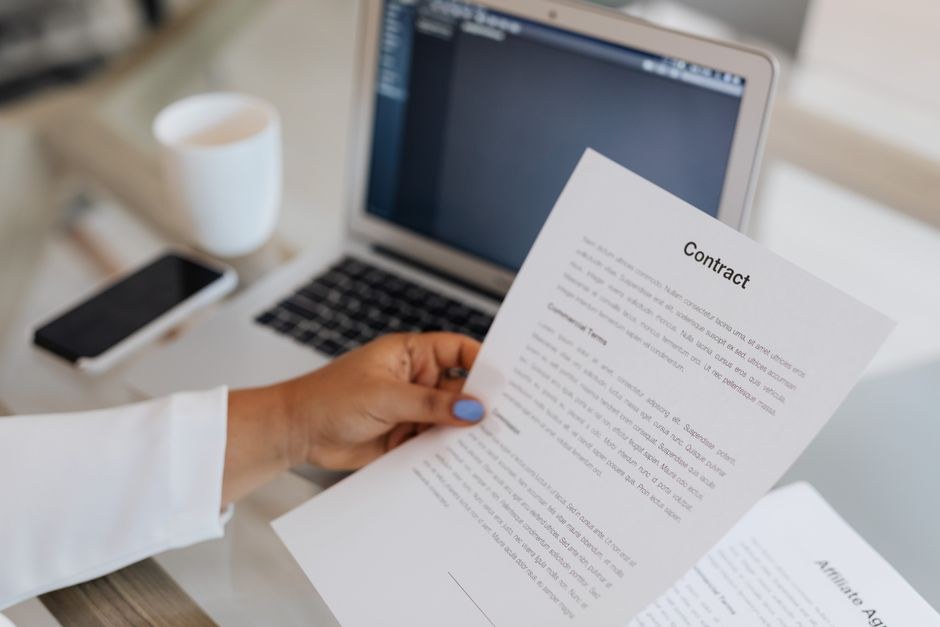
A legal-angle guide to five clauses that protect importers in a house slipper purchase agreement, from tolerances to tooling ownership and remedies.
Most slipper orders go wrong before the first pair is stitched — at the point where a buyer accepts a one-page purchase order and calls it a contract. slipper sourcing contract clauses are not legal decoration; they decide who pays when foam arrives at the wrong density, when a carton collapses in transit, or when your factory sells your design to a competitor. Generic PO terms rarely cover these cases. Below are the five provisions worth negotiating hard, and what each one should actually say.
Clause 1: Specification and Tolerance — the Backbone of Your House Slipper Purchase Agreement
A house slipper purchase agreement lives or dies on how precisely it defines the product. “Memory foam insole, plush upper” is not a specification; it is an invitation to dispute. Attach a tech pack and make it a schedule to the contract, with measured tolerances for the specs that drive perceived quality:
- Foam density and rebound — stated as a range, with the test method named
- Upper and lining fabric composition and weight per square metre
- Outsole hardness and, where relevant, slip-resistance test standard
- Colour reference under a defined light source, plus an approved lab dip or swatch
- Finished measurements per size, with a permitted deviation
Agree in writing on who tests, with what equipment, and how a disagreement gets resolved — typically a third-party lab, with the losing party bearing the cost. Without this, a factory can argue its foam is “within normal range” while your customer feels every seam through the insole.
Clause 2: Sampling and Golden Sample — the Reference Point for Slipper Order Protection
Every dispute needs an objective anchor. Write the approved sample into the contract as the golden sample: signed, dated, sealed, and held in duplicate — one with the factory, one with you. State plainly that bulk goods must match it within the tolerances in Clause 1, and that the golden sample supersedes any later verbal agreement.
Two details are usually missing. First, who owns the samples and moulds after the order ends. Second, what happens when production drifts. Build in a pre-production sample approval gate before bulk materials are cut, so a correction costs you days rather than a container. This is the cheapest form of slipper order protection you will ever buy, and it costs nothing but discipline.
Clause 3: Ownership of Tooling, Moulds and Designs
If you pay for a sole mould, a custom printed box plate or a developed pattern, it should be yours. Say so explicitly: tooling and design files are your property, held by the factory in trust, and returned or destroyed on request at the end of the relationship. Add a clause preventing the factory from selling your design, mould or packaging to any other buyer.
Buyers often assume this is implied. It rarely is. A factory that keeps your mould can quietly offer your exact slipper to a competitor two seasons later, and you will have no contractual ground to stop it.
Clause 4: Inspection, Acceptance and Remedies
A quality clause without a remedy is a suggestion. Specify the inspection standard (AQL levels and critical, major and minor categories), who inspects and when, and what happens if the lot fails. Remedies should escalate in a defined order:
- Rework at the factory, with a revised ship date
- Replacement of defective units at the factory's cost
- A price adjustment calculated per defective pair
- Rejection of the lot and a refund of any deposit
Also define the claim window after arrival at your warehouse — 30 or 45 days, with photographic evidence — and state clearly who pays freight on returns of defective goods. This is where most disputes are won or lost, and it is entirely a matter of drafting.
Clause 5: Delivery, Penalties and Force Majeure Limits
Commit to a delivery date and attach consequences to missing it. A late-shipment penalty of a small percentage of order value per week, capped, is standard and keeps schedules honest during peak season. Equally important is narrowing the force majeure clause: it should not be a blanket excuse for power cuts, labour shortages or subcontractor failure. If your factory outsources stitching, the buyer should know, because the responsibility still sits with the party you signed with.
How to Put These Clauses to Work
Do not negotiate all five at once with a factory you have not vetted. Start with Clauses 1 and 2 on the sample stage — they are non-controversial and immediately useful. Then raise tooling and remedies before the first bulk order, when you still have the option to walk away. Keep the contract to a few pages plus the tech pack as an annex, and make sure the signatory has authority to bind the factory.
Finally, get a local lawyer to review the final draft for the jurisdiction where you are enforcing — contract terms that work in one market may not hold in another. The goal is not litigation; it is a document both sides understand well enough that nobody needs to test it.