Slipper Sourcing Mistakes: 8 Errors That Inflate Your Costs
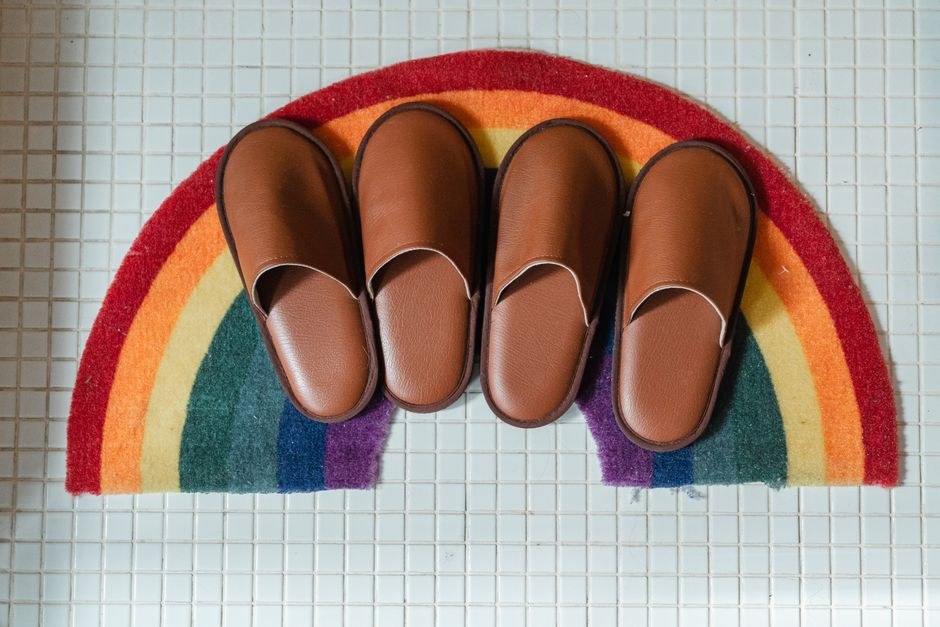
Eight common slipper sourcing mistakes that quietly inflate landed cost, from vague specs to skipped sample approvals, and the concrete fixes that keep orders on budget.
Most cost overruns on slipper orders are self-inflicted. In our experience as an OEM house slippers factory in Ningbo, the buyer who ends up paying 20% more than quoted rarely picked the wrong factory — they made avoidable slipper sourcing mistakes that turned a clean quote into a stream of surcharges, remakes and air freight. Eight of them show up again and again.
Vague specs and the assumptions they trigger
Every slipper import pitfall downstream starts here. A brief that says "memory foam, soft, navy" leaves the factory to choose foam density, lining weight, outsole compound and stitching. You will get something reasonable and something you did not intend. Say a mid-size supermarket chain orders 5,000 pairs on a two-line spec; the factory supplies 35D foam where the buyer assumed 50D, the first container feels flat at retail, and the reorder doubles the foam cost. Write the tech pack like the factory will never speak to you: materials, density, tolerances, size grading, labelling and packing, each on its own line.
Sample approvals that happen as an afterthought
A surprising number of buyers treat the sample as a formality and approve by photo. The sample is the contract. Before you sign off, wear the pair for a week, wash one on the care label you intend to print, and check that the insole stays bonded at the toe. If you change the outsole or lining after approval, expect tooling or set-up charges you never negotiated — and a new lead time that eats your season. Keep a signed, dated golden sample on both sides so there is something to inspect against later.
Skipping real inspection and paying for it twice
- Relying on the factory's own QC photos without an AQL inspection of your own.
- Testing non-slip performance and colourfastness only after the goods arrive.
- Discovering a stitching defect at the 60% production stage, when rework is slow and expensive.
Pre-shipment inspection on slippers is cheap relative to a rejected container. The expensive version is discovering the problem at your warehouse, where you either discount the stock or pay for return freight and a remake.
Unit price fixation and the costs it hides
Buyers shop on the per-pair number and ignore everything that sits around it: export carton strength, polybag or box, inner packing, palletisation, Incoterm and payment terms. A quote FOB Ningbo with thin cartons can look better than a slightly higher quote that arrives undamaged; the damaged quote is the expensive one. Ask each factory to quote the same packing and the same Incoterm so the comparison is real. Then check the landed cost, including duty, port charges and any testing your market requires.
MOQ, tooling and change orders
Pushing for an unrealistically low MOQ per colour, then adding three colours mid-order, is a classic slipper order errors pattern. Each colour change can trigger a minimum run for the fabric or a new set-up, and the factory either refuses or prices the small run at a premium. Decide your colour range and size run before you place the order, and accept that flexibility has a price. If you need a small trial, negotiate it as a single first order with an agreed follow-up volume, in writing.
Calendar and documentation lapses
- Ordering plush slippers in October for a December retail launch and then paying air freight to catch up.
- Not confirming the Chinese New Year production cut-off with the factory in writing.
- Late labelling files, trademark evidence or test reports that hold up production.
None of these is a manufacturing problem; all of them cost money. Put the factory's key dates and your own document deadlines on one calendar and review it monthly.
What to do before you place the next order
None of this requires a bigger budget. It requires a tighter brief and a few checkpoints. Before the next order, build a tech pack that a factory could produce from without asking a question, approve a physical golden sample, and agree an inspection plan with an AQL level and a named inspector. Get the quote broken into product, packing and freight so you can compare suppliers honestly or see where a cost is really coming from. Then put the sampling, production, inspection, shipping and retail dates on one page. If you run through that list once, you will find that most of the cost you were trying to negotiate away was never in the unit price to begin with — it was in the gaps between the lines.