Memory Foam Slippers Supplier: Density and Rebound Spec Guide
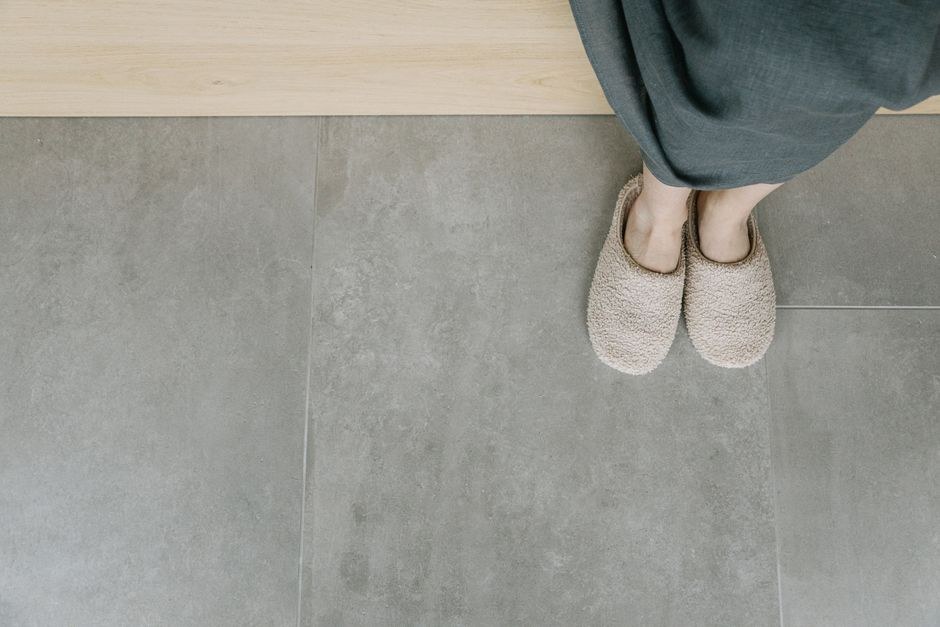
Importers should specify all three memory foam metrics—density, rebound and compression set—or risk returns. A memory foam slippers supplier explains how.
If your returns dashboard blames memory foam slippers for "comfort issues," the problem is probably not the foam itself but the spec sheet. Most importers send only images and a target price, then approve whatever sample arrives. Your memory foam slippers supplier fills the blanks, and the blanks are exactly where return costs live. Three metrics decide whether a foam slipper feels supportive for a year or flat in six weeks: density, rebound time and compression set. Put these on the purchase order before you talk about price, and the conversation changes.
Why density—not thickness—is the first number to specify
Shoppers assume a 15 mm insole is better than an 8 mm one. In reality, density determines whether that foam holds its height under daily load. Two insoles of identical thickness can differ by more than double in weight per cubic meter, and that partly explains why one cheap slipper feels hollow after a month while a solid one keeps its structure.
What can you do? Ask your factory for a target density range and the small tolerance you accept, rather than a single figure. Thin, lower-density foam works for a hotel slipper meant for a few nights, but it is fragile in a retail product sold as everyday comfort. If your lines include recovery footwear or standing-mat inlays, review how memory foam density slippers behave in wear testing, because crumble and valley shape happen gradually.
- Request the density with a range and the tolerance, before costing.
- Confirm thickness after compression, not just the raw sheet gauge—foam thins as it is laminated and sewn.
- Approve a reference swatch you can store, date and compare against future production runs.
Rebound and compression set separate good foam from look-alike foam
Rebound time separates slow-return foam from fast-return foam. A slow return wraps the foot and feels plush immediately, while a fast return feels springy and more responsive. Neither is automatically better; it depends on your consumer and the season. Summer slippers usually sell better with an open-cell, faster-rebound foam that breathes and recovers quickly; a heavier, slow-rebound foam reads as premium in winter styles.
Compression set is the other half of the story. It measures how much thickness the foam loses after consistent body weight and folding, which is exactly what happens when an 80 kg adult steps into the same pair for months. Poor compression set shows up after six months of warehouse storage. Insist on a minimum recovery standard for the style and test the finished insole—not just the raw sheet—because lamination, adhesives and stitching can change it. Skipping the test means discovering in week two of the selling season what should have been flagged at sample stage.
Sample checks that catch rebound problems early
- Compress the insole by hand ten times; time how long it returns to its original height.
- Weigh sample insoles against each other; the lightweight one is usually the low-density one.
- Fold the insole and hold it for a minute, then check it unfolds smoothly.
- Request two density variants side by side for the same upper style, and blind-test with staff.
Soles and upper construction change what the foam can do
Even correct foam can underperform if the sole is too stiff or the upper applies uneven pressure. A rigid outsole with no flex zones restricts movement, and the insole takes the full load. Rubberized or EVA soles with a slight heel drop let the foam recover sideways, extending practical cushion life.
A supplier that cannot describe rebound and compression set in plain language on the spec sheet does not test them. Buyers should treat that as a warning rather than a technicality.
That said, do not let one metric drive the design. A durable insole under a flimsy upper still disappoints; a solid upper over mismatched foam is just expensive padding. Cross-check with rebound foam slippers reports from your supplier and compare two batches from different production weeks to see if the numbers hold.
What to put in the purchase order and how to check it
Write the memory foam specification into the PO in the factory's own language: density value, hardness, rebound time range and compression set level. Add a tolerance percentage for thickness after lamination. Keep a signed reference pair from the approved sample run—branded, labeled, dated—so a third-party lab or your own staff can compare against it.
For a private label program, push for in-house compression testing at the factory rather than depending solely on an external certificate. Ask to review recent test records for that exact foam and request that your order be tested against them. During production, inspect ten insoles from the first 500 pairs, weigh them, compress them by hand, and confirm the rebound time. Over time, build a small results tracker for every purchase order; density drifts and foam mixes change more often than factories admit.
What to do next
Choose a memory foam slippers supplier who can answer three questions without hesitation, and ask to see test results before requesting your first sample: what density, in which unit, does the factory run for your grade? What is the rebound time, and can it produce two variants for you to feel? What is the compression set guarantee in writing, and how will it be tested on the finished item rather than the raw sheet? Handling this exercise before sample approval is a small step. The payoff is a foam story you can put in your sales copy, backed by a spec that holds. Get it on the PO while the design is still adjustable. That practice keeps half of your memory foam box problems from reaching a customer's doorstep, repeated order after order.