Memory Foam Density: The Spec That Decides Slipper Comfort
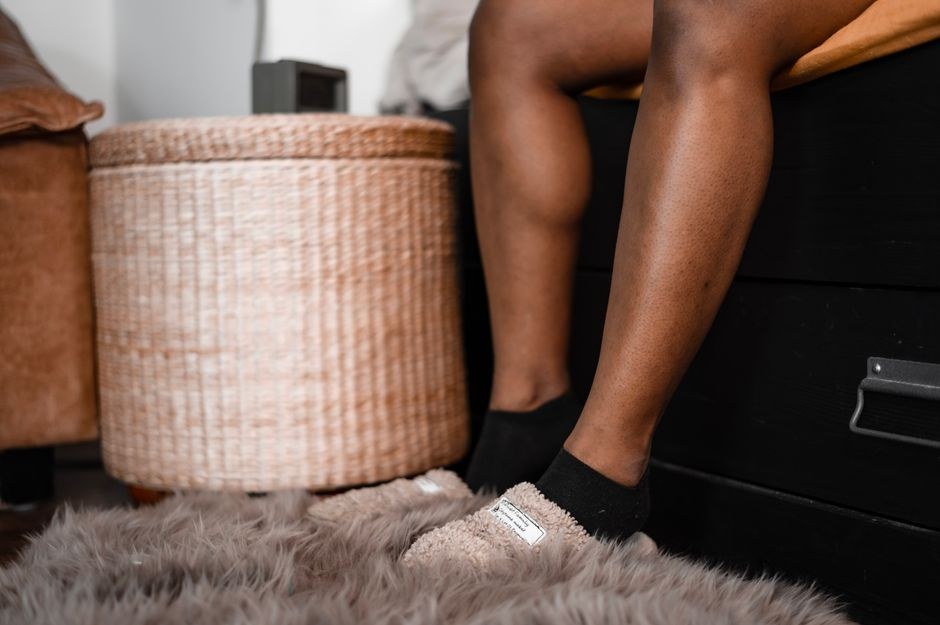
Memory foam density is the number that predicts how a slipper feels in month one and month twelve. Here is how buyers should read it and specify it.
Two suppliers can quote you the same 25 mm memory foam insole and deliver products that feel nothing alike after six weeks of wear. memory foam density is usually the reason. It is the single specification that separates a slipper that rebounds in month twelve from one that has flattened into a pad, and it is the one most buyers never write into the purchase order.
This matters because memory foam slippers are rarely bought on looks alone. Your customer steps into the slipper the moment it arrives; the foam is the product experience. If the density is wrong, the comfort claim on your packaging becomes a returns statistic. This guide covers what density actually means, how to read it, and how to lock it down before you place a bulk order.
Slipper Foam Quality Starts With Density, Not Thickness
Density is mass per unit volume, typically stated in kilograms per cubic metre (kg/m³). A 30 mm insole at 60 kg/m³ contains roughly twice the foam material of the same insole at 30 kg/m³. Thickness tells you how tall the cushion is; density tells you how much material is holding that cushion up.
Buyers conflate the two constantly. A 40 mm insole sounds plush on paper, but if the foam is low-density, the material compresses under the heel within weeks and the height becomes decoration. Conversely, a 20 mm insole at adequate density can feel firmer on day one and still feel supportive a season later.
slipper foam quality is decided by the combination of density, rebound rate and the bonding between foam and outsole. Density is the foundation; if it is wrong, no amount of good stitching or pretty lining rescues the product.
What Different Density Ranges Actually Deliver
Numbers vary by factory and formulation, so treat these as broad bands, not standards. Ask your supplier to confirm the density of the exact foam grade they will run, in writing.
- Low density (roughly 25–40 kg/m³): Soft and light, cheap to ship. Fine for promotional slippers with a one-season life, such as amenity slippers in a budget hotel where replacement is expected. Not appropriate for retail products sold on comfort claims.
- Mid density (roughly 40–60 kg/m³): The practical range for most private label programmes. Feels supportive, recovers reasonably and holds shape across a typical retail season.
- High density (60 kg/m³ and above): Firmer, heavier and slower to compress. Suits products marketed on orthopaedic support or long-life durability. Adds cost and freight weight, so justify it with a positioning claim.
Two caveats. First, a higher density number is not automatically a better slipper — the feel changes, and some customers prefer a softer step. Second, low-density foam can be made to feel good at sampling by adding a soft top layer of conventional foam or gel, which hides the weakness until the slipper has been worn for a few weeks.
How Memory Foam Durability Shows Up After Six Months
memory foam durability is a compression-fatigue problem, not a tear problem. The foam under the heel takes repeated loading; low-density foam loses its cellular structure faster and stops springing back. The visible result is a hollow under the heel, a slipper that feels different foot to foot, and a customer reviewing that the product "went flat".
Rebound rate matters alongside density. Memory foam is designed to recover slowly, but excessively slow recovery can indicate a formulation that never fully returns to shape. When you evaluate samples, do not just squeeze the insole once in the meeting room. Step on it, hold for a count, release, and note how long it takes to recover and whether the footprint disappears.
The pragmatic test is a wear trial: have a handful of staff or a friendly buyer wear the same pair daily for four to six weeks and report back on heel support. It is not laboratory data, but it catches the gap between a good sample and a good product, which is exactly where returns come from.
Specifying Density in Your Purchase Order
Vague language invites substitution. If your tech pack says "high-quality memory foam", a factory can change grade between the approved sample and bulk production without technically breaching the order. Make it a measurable line item.
- State the density in kg/m³ for the insole foam, with a tolerance band you accept.
- Name the foam grade and the source if it is brand-certified. Do not assume a brand name on the sample will appear in bulk.
- Specify insole thickness and any top layers separately. A thin dense layer under a soft topper behaves differently from a single dense slab.
- Request the factory's test method for density and keep a record of the sample batch you approved.
- Include a mid-production check. Ask for a cut section from the production run so you can compare foam structure against the approved sample.
One more point: density specs belong in your private label documentation too, because a rebranded product still carries your reputation. If you sell on a comfort or support promise, the foam spec is the evidence behind it.
What to Do Before Your Next Slipper Order
Do not accept a quote that lists insole thickness without density. The next time you request samples, ask each candidate factory for the foam grade, the density figure and how they verify it — and compare the answers. A supplier who can answer precisely is telling you they understand the product; one who answers vaguely is telling you something too.
Then subject the samples to a short wear trial rather than a single squeeze, and write the density figure into the order along with a mid-run check. It is a small amount of diligence that protects a comfort claim, reduces returns, and makes reorders predictable instead of a fresh gamble. If you are unsure what density suits your market, test two grades in a small first run and let sell-through and return rates decide before you commit volume.