How to Vet a House Slipper Manufacturer China: 7-Step Checklist
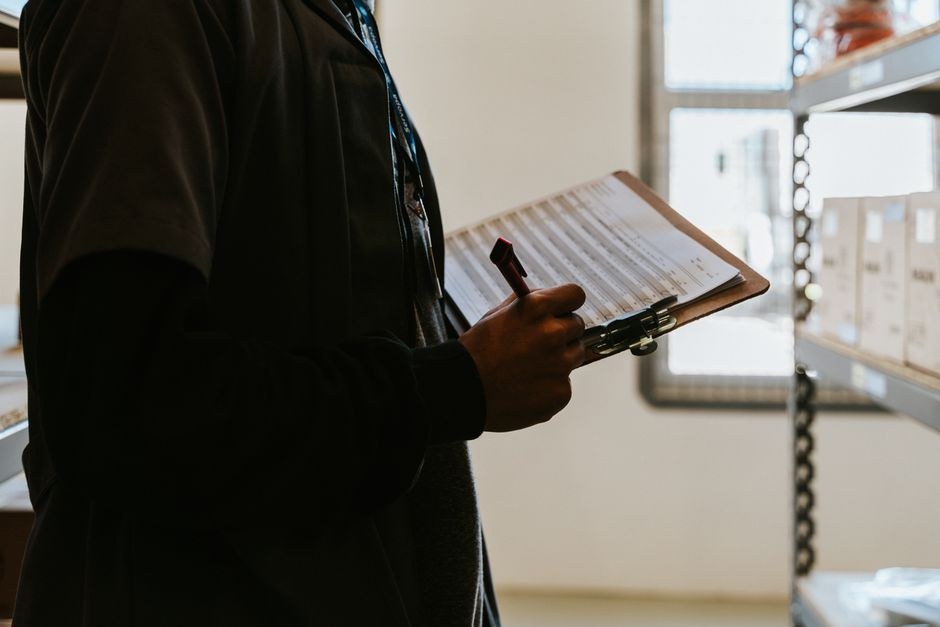
A practical seven-step due diligence checklist for importers vetting a house slipper manufacturer China, covering registration, audits, samples, and MOQ terms.
Most importers pick the wrong factory the same way: they reply to whoever answers fastest on Alibaba, negotiate hard, and hope. The better approach is to treat a house slipper manufacturer China vetting as a short, structured investigation you can finish in two to three weeks. This checklist is what I would run if I were placing a first container of custom slippers and had no existing relationship.
Step 1: Confirm the Legal Entity Before You Discuss Product
Ask for the full Chinese company name — not the English trading name — and check it against the National Enterprise Credit Information Publicity System. What you want to see: a legally registered entity, business scope that covers footwear manufacturing rather than only "trade" or "import/export", and a registered address that matches the workshop you expect. If the scope only says trading, you are probably talking to a middleman. That is not automatically bad, but pricing, control and responsibility all change.
A quick related check: how long has the entity been active? A factory that incorporated two years ago may be capable, but you should ask who the production management team worked with before.
Step 2: Match the Production Line to Your Actual Slipper Style
A house slipper manufacturer China may excel at plush closed-toe slippers and struggle with a structured cotton upper. Ask for video of the specific line that would run your order. If you are sourcing memory foam slippers supplier options, for example, confirm whether the factory laminates foam in-house or buys pre-cut sheets. In-house foam work usually means better control over density and shape. If they outsource it, ask who supplies it.
It helps to send a reference sample first and ask the factory to tell you how they would build it. A honest brief, and an honest answer, tells you more than any brochure. If you are not sure how to do that, our guide on how to brief a slipper factory covers the shape of that conversation.
Step 3: Ask for Audit Documents — and Read Them
Request the latest social compliance audit (BSCI, Sedex/SMETA or a brand-specific equivalent) and any quality-system documentation. Check the date and the factory name on the certificate, not just that a certificate exists. Two practical warnings: certificates in a different entity name may indicate a group structure worth clarifying; and "in progress" or expired reports are useful only if you can see the action plan.
I would not demand a fresh audit before the first sample. But I would want the previous completed report, including any findings that were not fully closed out.
Step 4: Insist on a Pre-Production Sample in Your Own Materials
A sample in the factory's own trusted fabric is not proof they can execute your specification. Ask for a pre-production sample using the actual upper fabric, lining, foam density and sole you intend to buy. Then compare piece by piece:
- Upper seam alignment and whether stitching pulls
- Lining softness against your face, not the spec sheet
- Foam thickness and rebound under thumb pressure
- Sole hardness and grip on a wet tiled floor
- Label position, including care and origin labelling
If the sample matches on all five, you have a real production partner. If one or two are off, ask what will change for bulk. Their answer is the test.
Step 5: Verify Capacity With Evidence, Not Promises
Ask for the count of stitching lines, the monthly output for your slipper category, and how many clients are running concurrently. For custom house slippers with private labelling, you also want to know who handles the woven labels, polybags and cartons. Small factories frequently outsource packaging, which can extend lead times. If packaging is external, ask for the name of that supplier and whether it is approved for your market's labelling rules.
A factory's worst story is usually more useful than its best. Ask about a shipment that went out late and what they did about it.
Step 6: Walk the Commercial Terms With a Fine Comb
Quote structures vary, so compare like for like. Get the following in writing before deposit:
- Unit price by size curve and colour, with the currency and Incoterms
- MOQ per style, and whether it is per colour or per size
- Tooling or development fee, and when it is refundable
- Lead time measured from deposit or from sample approval
- Payment milestones, including balance against B/L copy or before shipment
- Sampling costs and whether they are credited on the first order
- Late-shipment or defect remedies, however simple
Private label slippers almost always add cost at packaging and carton level. Ask the factory to break that out so you know what you are paying for the slipper versus the retail box.
Step 7: Run a Small Controlled Order Before Committing to Volume
If you can, place a modest first order — even below your target MOQ — and inspect it. Agree the inspection standard in advance: AQL level, size tolerance, colour tolerance against an approved swatch. Use a third-party inspector if you cannot attend yourself. The result tells you more about the factory's day-to-day operation than any audit document.
How to Use This Checklist Without Slowing Yourself Down
Run steps one to four on your shortlist at the same time. Two or three factories will fall out by step four. Do not insist on the full checklist if a factory has a compliant structure, clear recent audits, samples that match and referenceable client names in your category. That profile is worth moving quickly on.
Keep notes on a single page: entity, audit status, sample fit, MOQ, lead time, payment terms. After three or four factories, the pattern becomes obvious. If you find a Ningbo slipper factory with in-house foam and packaging under one roof, and their sample holds up, that is a strong starting point — place a controlled order, manage the first one closely, then scale.